
Table of Contents
ToggleIntroduction
In todays fast moving online world, business needs more than just a shop, office, or website to grow. Customers spend hours every day on engines, social media platforms, email, and online shopping websites, this where digital marketing becomes one of the most powerful tools for any business. Digital marketing works for business by helping companies connect with the right audience, build brand awareness, generate leads, and increase sales through online platforms.
Digital marketing helps businesses connect with the right audience, increase brand awareness, generate leads, and improve sales using online channels. Whether you run a small local business or a large company, digital marketing can help you reach customers faster and more effectively than traditional marketing methods.
Below we can see how Digital marketing works for business and why it plays an important role in business growth today
What is Digital Marketing?
It is the act of promoting the product and services. It is the modern online version of traditional advertising (like billboards or TV ads) that helps businesses connect with customers on websites, social media, search engines, and email to drive sales.
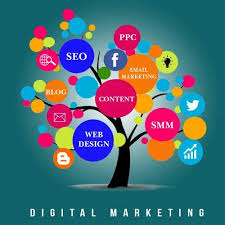
Components of Digital Marketing:
1.Social Media Marketing
2.Search Engine Optimization (SEO)
3. Email Marketing
4. Pay-Per-Click (PPC) Advertising
5. Content Marketing
The main goal of digital marketing is to attract potential customers online and convert them into loyal buyers. Digital marketing works for business by helping you reach the right audience, improve brand visibility, increase customer engagement, and generate more sales through effective online strategies.
Why Digital Marketing is Important for Businesses?
Digital marketing is important for business because it offers a cost effective way to reach global audience. Most customers search online before buying a product or service. If your business is not visible online, you may lose potential customers to competitors.
Key Reasons Digital Marketing is Essential:
- Global reach and Accessibility: Digital marketing helps small business to reach global audience to find a new market.
- Cost effectiveness: Compare to traditional method digital marketing is less amount and it offers better return on investment and allowing smaller budgets to be focused on targeted audiences.
- targeted and Personalized Advertising: Business can target specific demographics interest and behaviours, ensuring marketing efforts reach the right people.
- improved conversion rate. Today, customers search online before purchasing anything. If your business is not visible online, you may lose customers to competitors. Digital marketing works for business by helping you connect with potential customers online, improve visibility, and grow your brand more effectively than traditional marketing methods.
How Digital Marketing Works
Digital marketing works for business by attracting potential customers online and guiding them toward making a purchase or taking action. This process usually happens in several stages.
1. Understanding the Target Audience

It is the first step in digital marketing is identifying the target audience. Businesses need to understand:
- who there customer are
- what customer is searching for
- which platform they use
- what problem they need solved
For example, a fashion brand may target young adults on Instagram, while a software company may focus on professionals through LinkedIn. Understanding the audience helps businesses create the right marketing message.
2. Creating an Online Presence
Building a strong online presence requires a professional website as a central hub, consistent branding across social media, and regular, high quality content creation. Optimize for search engines to increase visibility, actively engage with your audience, and maintain a consistent, authentic brand voice to build trust.
A strong online presence is important for digital marketing success. Businesses usually start with:
- A professional website
- Social media Profiles
- Google business profile
- Blog content
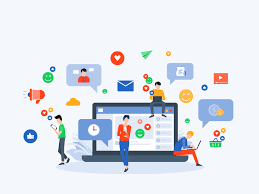
A website acts as the digital home of the business where customers can learn about products, services, prices, and contact details. Social media platforms help businesses interact with customers and build relationships.
3. Search Engine Optimization (SEO)
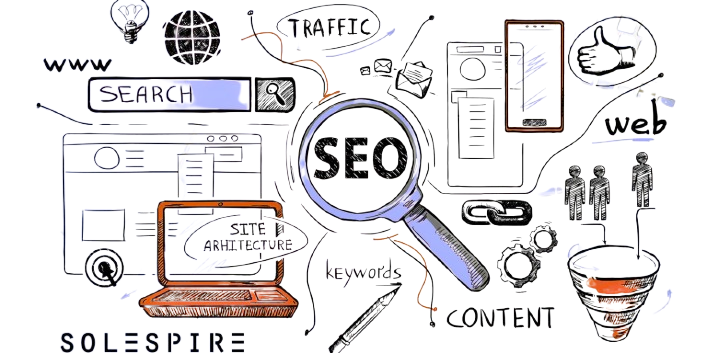
SEO is the process of improving a website to increase its visibility and ranking in unpaid (organic) search engine results. It involves optimizing content and technical elements to attract more visitors, making it a crucial digital marketing strategy for driving traffic, brand awareness, and conversions without paying for ads.
SEO includes:
- Keyword optimization
- Quality content creation
- Website speed improvement
- Mobile-friendly design
- Link building
Good SEO brings organic traffic to a website without paying for ads.
Lorem ipsum dolor sit amet, consectetur adipiscing elit. Ut elit tellus, luctus nec ullamcorper mattis, pulvinar dapibus leo.
4. Content Marketing
Content marketing is a strategic approach focused on creating and distributing valuable, relevant, and consistent content to attract and retain a clearly defined audience, ultimately driving profitable customer action.
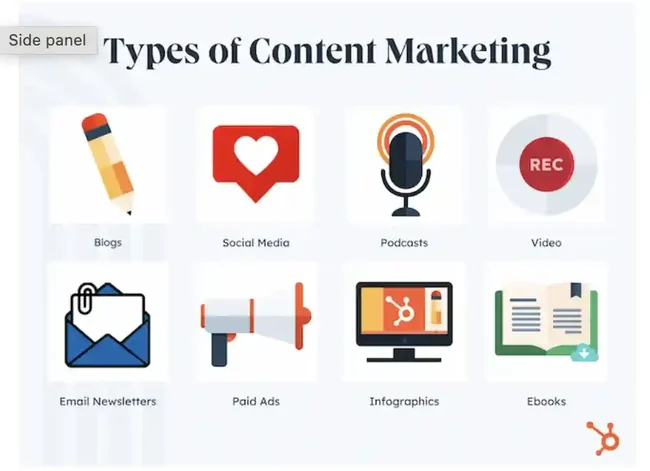
Content marketing focuses on creating valuable and informative content to attract customers.
Common types of content include:
- Blog posts
- Videos
- Infographics
- Social media posts
- E-books
- Podcasts
Useful content helps businesses educate customers, solve problems, and build trust.
For example, a skincare brand may publish blogs about skincare routines or beauty tips. This encourages users to visit the website and learn more about the products.
5. Social Media Marketing
Social media marketing is the use of platforms like Face book, Instagram, TikTok, LinkedIn to build a brand, increase sales, and drive website traffic.
Social media marketing helps businesses connect with customers on platforms like:
- YouTube

Businesses use social media for Share updates, Promote products, Run advertisements, Engage with followers, Build brand awarenessSocial media also allows businesses to communicate directly with customers through comments and messages.
6. Pay-Per-Click Advertising (PPC)
Pay per click is a digital advertising model where advertiser pay a fee each time one of their ads is clicked rather than paying for mere ad placement. PPC advertising allows businesses to display ads on search engines and social media platforms. Businesses only pay when someone clicks on the ad.
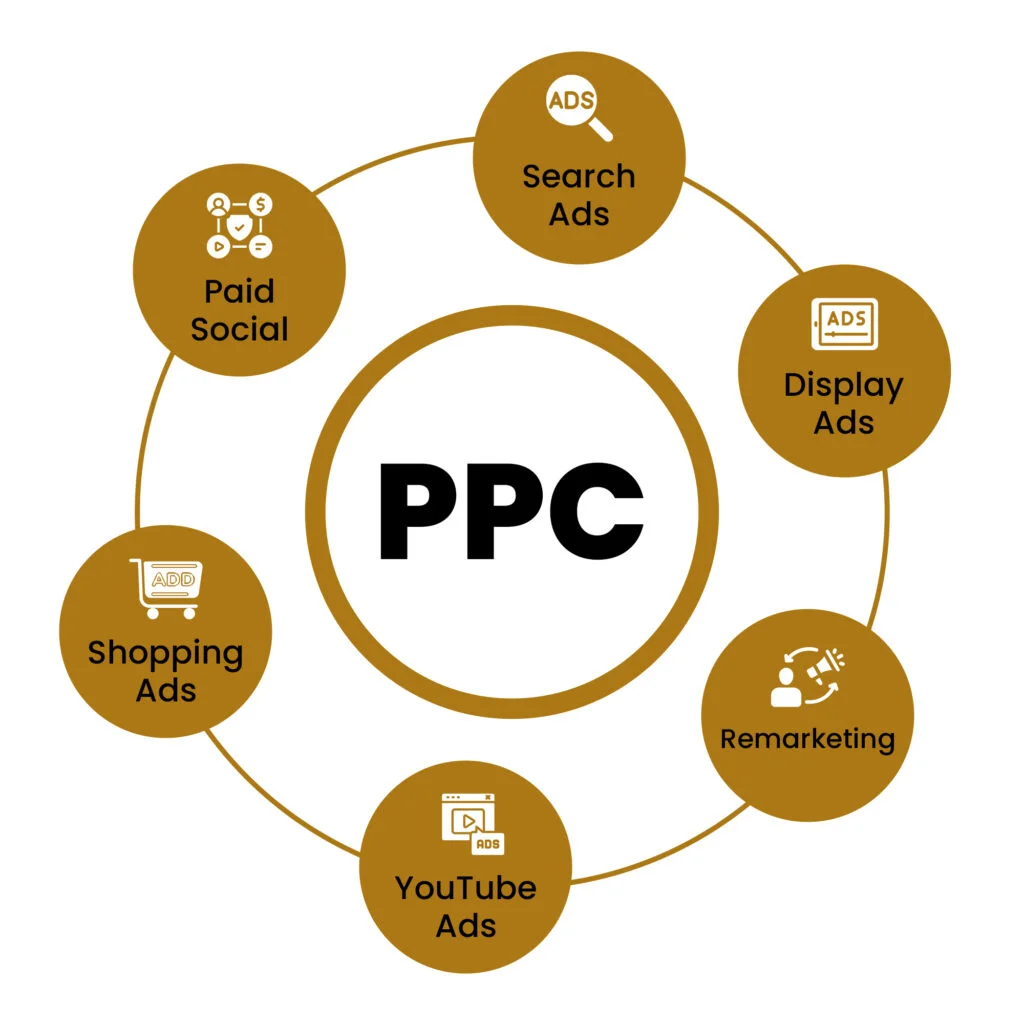
Popular PPC platforms include:
- Google Ads
- Facebook Ads
- Instagram Ads
- YouTube Ads
For example, if a user searches for “digital marketing course,” paid ads may appear at the top of Google search results. and it helps businesses reach targeted audiences, Generate quick traffic, Increase sales, Promote offers instantly
7. Email Marketing
Email marketing is an essential part of Digital marketing for your business, using personalized and direct email communication to promote products, build customer loyalty, and nurture leads. It is highly effective for driving sales, with 72% of companies rating it as a “good” or “excellent” source of ROI. Key practices include audience segmentation, automation, and creating engaging content to improve customer relationships and conversions.
Businesses send emails to:
- Promote offers
- Share updates
- Introduce new products
- Build customer relationships
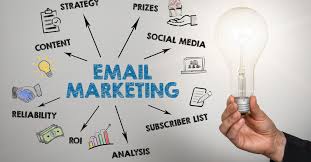
Personalized emails improve customer engagement and encourage repeat purchases. An online store can send emails about Discount sales, Festival offers, Email marketing helps businesses stay connected with customers regularly.
8. Analytics and Performance Tracking
Analytics and performance tracking involve measuring, collecting, and analysing data such as website traffic, user behaviour, and KPIs( Key Performance Indicators) to optimize digital strategies and operational efficiency
Businesses can monitor:
- Website visitors
- Ad performance
- Customer behavior
- Conversion rates
- Sales growth
Tools like Google Analytics help businesses understand what works and what needs improvement. This data-driven approach helps businesses make smarter marketing decisions.
Benefits of Digital Marketing for Business
Here are some major benefits of digital marketing:
- Increased brand awareness – Digital marketing increase brand awareness by enhancing online visibility, targeting specific audiences, and fostering engagement across platforms.
2. better customer targeting – Better customer targeting in Digital marketing for business is achieved by utilizing data analytics to identify, segment, and reach specific audiences based on demographics, interests, and behaviour.
3. Higher conversion rate – A higher conversion rate means a larger percentage of visitors complete a desired action
4. cost effective marketing – Digital marketing is highly cost-effective, often costing significantly less then traditional advertising.
5. Improved customer engagement – In Digital marketing for business is achieved by leveraging data-driven personalization, interactive content, and active social media management to foster customer loyalty and encourage two way interaction.
Challenges in Digital Marketing
Although digital marketing offers many benefits, businesses may also face challenges such as:
- High competition
- Constant algorithm updates
- Need for regular content creation
- Ad budget management
- SEO ranking fluctuations
However, with the right strategy, planning, and consistency, Digital marketing works for business by helping companies overcome these challenges, improve online visibility, attract customers, and achieve excellent long-term results.
Future of Digital Marketing
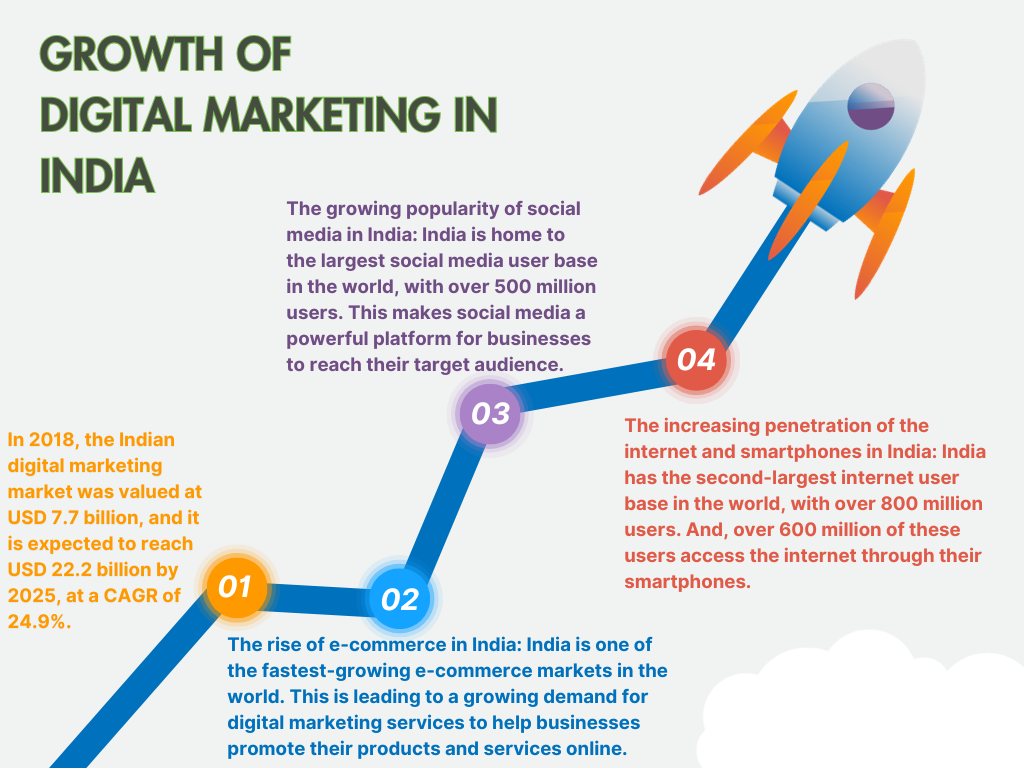
Digital marketing continues to grow every year. New technologies like artificial intelligence, voice search, automation, and video marketing are changing how businesses connect with customers. Digital marketing works for business by helping brands adapt to these modern trends, reach the right audience, and improve customer engagement through innovative online strategies.
In the future, businesses that invest in digital marketing will have a better chance of staying competitive, increasing brand visibility, and reaching larger audiences successfully.
Conclusion
Digital marketing is no longer optional for businesses it is essential for growth and long-term success. It helps businesses build a strong online presence, attract the right customers, increase sales, and improve customer engagement through strategies like SEO, social media marketing, PPC, and content marketing. No matter the size of your company, Digital marketing works for business by creating better visibility, generating quality leads, and helping brands stay competitive in the digital world. Businesses that invest in digital marketing in 2026 and beyond will have greater opportunities to grow, connect with customers, and achieve lasting success.