hemalathabs

bshemalatha1621@gmail.com

SEO experts in Bangalore

Introduction In the current digital economy, it’s no longer up to companies to be visible on search engines; it’s actually a requirement. SEO professionals can assist businesses in standing out from the crowd and reaching the people who are looking for their goods or services. From a start up in Koramangala to a well established business in Whitefield, a relationship with the experts in SEO can make all the difference. Bengaluru is a hub for the best talents in the field of SEO. Bangalore is not only the Silicon Valley of India but also has some of the most innovative SEO experts in India. With the city’s vibrant tech landscape, digital marketers are able to work with developers, data scientists, and AI experts to provide state of the art SEO strategies. There are some key advantages to hiring local SEO experts: Local Knowledge: SEO professionals in Bangalore have insights into regional languages, cultural variations, and search habits. Real-Time Collaboration: Face-to-face strategy sessions and agile implementation. Access to Bangalore’s tech and start up community to connect and build collaborations! Connect with the tech and start up community in Bangalore! Cost-Effective Excellence: World-class knowledge at competitive prices with respect to global markets.   Services Offered by Leading SEO Experts in Bangalore Service Description Business Impact Technical SEO Improves website speed, mobile responsiveness, indexing, and crawlability. Creates a strong foundation for higher search engine rankings and better user experience. Content Marketing Develops keyword-focused content, blog strategies, and content optimization plans. Increases organic traffic, audience engagement, and brand visibility. Local SEO Optimizes Google Business Profile, local citations, and map listings. Drives local visibility, foot traffic, and qualified leads from nearby customers. Link Building Acquires high-quality backlinks through outreach, digital PR, and partnerships. Strengthens domain authority and improves search engine rankings. Lorem ipsum dolor sit amet, consectetur adipiscing elit. Ut elit tellus, luctus nec ullamcorper mattis, pulvinar dapibus leo. Add Your Heading Text Here Lorem ipsum dolor sit amet, consectetur adipiscing elit. Ut elit tellus, luctus nec ullamcorper mattis, pulvinar dapibus leo.

SEO experts in Bangalore Read More »

seo experts in bangalore

SEO Experts in Bangalore: 10 Powerful Strategies ✕ Free Consultation Get Your Free SEO Audit Tell us about your business and we’ll send a personalised SEO roadmap within 24 hours. Primary SEO goalIncrease organic trafficRank for local keywordsImprove technical performanceBuild quality backlinksE-commerce SEO Send My Free Audit Request → ✅ Request received! Our SEO team will reach out within 24 hours. We use cookies to improve your experience and track engagement. Learn more. Accept Decline Ready to rank higher in Bangalore’s search results? Get a free personalised SEO audit — no strings attached Get Free Audit → ✕ SEO · Bangalore Why SEO Strategies Benefits FAQ Free Audit Digital Growth Guide SEO Experts in Bangalore:10 Powerful Strategiesto Boost Your Business By SEO Professionals · Bangalore, India · 8 min read Get Free SEO Audit → View 10 Strategies ↓ Analytics Strategy Growth 0% read In today’s digital-first world, businesses need a strong online presence to stay competitive. Partnering with SEO experts in Bangalore can significantly improve your organic visibility and help attract qualified leads that convert into real customers. Get your free website SEO report Instant analysis · No credit card required Send Report → 📈Why Businesses Need SEO Experts The Power of Organic Search Organic search remains one of the most effective channels for generating high-quality traffic. Unlike paid advertising, SEO provides long-term benefits that keep delivering results even after initial optimization efforts. Higher user trust Better conversion rates Sustainable traffic growth Reduced acquisition costs Improved brand authority Growing Digital Competition Every industry faces increasing online competition. Businesses that fail to invest in SEO often lose potential customers to competitors. SEO experts in Bangalore identify opportunities, address weaknesses, and craft strategies that help businesses rise to the top of SERPs. 🔑Core Services Offered Keyword Research — the Foundation Keyword research forms the foundation of every successful SEO campaign — targeting the right queries with the right search intent. Type Example Intent Short-tail SEO Broad awareness Mid-tail SEO services Bangalore Research phase Long-tail Affordable SEO experts Bangalore High purchase intent On-Page SEO Technical SEO Link Building Local SEO Content Creation Performance Monitoring ⚡Top 10 Powerful Strategies Click any strategy card to explore deeper details and learn how to apply it to your business. 01 Keyword Optimization Target by search intent, not just volume. Focus on long-tail keywords with clear purchase or research intent. Use tools like Google Search Console and Ahrefs to find low-competition, high-reward opportunities specific to Bangalore’s market.Get a keyword audit for your site → 02 Content Marketing Blog posts, guides, case studies that build authority. Publish topic clusters around your core services. Answer common customer questions with depth. Content that earns featured snippets drives significant zero-click traffic.Request a content strategy session → 03 Mobile Optimization Seamless experiences across all devices. Google uses mobile-first indexing — your mobile experience IS your ranking signal. Ensure tap targets are 44px+, fonts are legible at 16px, and page loads under 3 seconds on 4G.Check your mobile score → 04 Local Search Dominate “near me” queries in Bangalore. Optimise your Google Business Profile with accurate NAP (Name, Address, Phone), weekly posts, and photo updates. Build citations on Indian directories like JustDial and IndiaMART.Optimise my local presence → 05 Technical SEO Audits Fix crawl errors, indexing issues, broken links. Regular audits catch silent killers: orphaned pages, redirect chains, thin content, missing canonical tags, and crawl budget waste. Run a full audit at least quarterly.Book a technical audit → 06 UX Enhancement Navigation, speed, and structure Google rewards. Reduce bounce rates with clear calls-to-action above the fold, logical internal linking, and easy navigation. High engagement signals (time-on-page, scroll depth) positively influence rankings.Get a UX review → 07 Quality Backlinks Links from trusted publications and directories. One backlink from an authoritative .edu or established Indian news site is worth hundreds of directory links. Focus on digital PR, resource page link building, and guest posts on niche blogs.Explore link building options → 08 Core Web Vitals Improve LCP, INP, and CLS scores. Pages that pass Core Web Vitals thresholds earn a ranking boost. Prioritise image compression, server response time under 200ms, and eliminating layout shifts from ads or fonts.Test my Core Web Vitals → 09 Competitor Analysis Study rival keywords, content, and backlinks. Identify which pages drive the most traffic for your top Bangalore competitors. Find keyword gaps — terms they rank for that you don’t — and create better, more comprehensive content.Get a competitor report → 10 Continuous Monitoring Algorithms evolve — stay ahead of changes. Set up Google Search Console alerts, rank tracking dashboards, and monthly performance reports. When Google core updates roll out, be ready to adapt content quality before competitors do.Set up monitoring for my site → Core Web Vitals — Click to Learn More LCP Largest Contentful Paint Measures loading performance. Target: under 2.5 seconds. Optimise by compressing hero images and using a CDN. INP Interaction to Next Paint Measures responsiveness to clicks and taps. Target: under 200ms. Reduce JavaScript blocking the main thread. CLS Cumulative Layout Shift Measures visual stability. Target: under 0.1. Always set width/height on images and ad slots to prevent layout jumps. Businesses that prioritise SEO will be better positioned to compete, grow, and thrive in the digital marketplace — long after ad budgets run dry. 📋 Copy Quote 📩 Share with My Team ✓ Copied! 🏆Benefits of Hiring SEO Experts Working with specialist SEO professionals in Bangalore offers distinct competitive advantages that compound over time. 200+ Businesses helped 4.9★ Average client rating “Rankings improved within 3 months. Our organic leads doubled without spending on ads.” — Priya M., E-commerce founder, Bangalore Increased online visibility Better lead generation Cost-effective marketing Enhanced brand credibility Competitive advantage Talk to an Expert About My Business → 🔍How to Choose the Right SEO Partner ✓Proven industry experience and measurable track record ✓Transparent reporting and clear, consistent communication ✓Ethical, white-hat SEO practices — no shortcuts that risk penalties ✓Customised strategies aligned to your specific goals ✓Strong client testimonials and documented case

seo experts in bangalore Read More »

How Backlinks Improve Your SEO Performance

Introduction In the world of digital marketing, backlinks play a major role in improving website rankings and online visibility. If you want your website to appear on the first page of Google, understanding how Backlinks Improve Your SEO Performance is essential. Backlinks are links from other websites that direct users to your site, and search engines consider them as a sign of trust and authority. Businesses and marketers use backlinks to increase organic traffic, improve domain authority, and build credibility online. In this blog, you’ll learn why backlinks matter and how they can strengthen your SEO strategy. What Are Backlinks? Backlinks are incoming links from one website to another. When a trusted website links to your content, search engines view your site as valuable and relevant. This is one of the key reasons why Backlinks Improve Your SEO Performance in search engine rankings. For example, if a popular marketing blog links to your article, Google sees that as a positive signal that your content provides useful information. Why Are Backlinks Important for SEO? Backlinks are considered one of Google’s top ranking factors. Websites with strong backlink profiles often rank higher than competitors with fewer quality links. Here are some major reasons why Backlinks Improve Your SEO Performance effectively: 1. Increase Website Authority: Quality backlinks help improve your website’s domain authority. Search engines trust websites that receive links from credible sources. The more trusted backlinks you earn, the better your chances of ranking higher. 2. Improve Search Engine Rankings: Search engines use backlinks to discover and rank web pages. High-quality backlinks signal that your content is valuable, which is why Backlinks Improve Your SEO Performance in organic search results. 3. Drive Referral Traffic: Backlinks not only help SEO but also bring direct visitors from other websites. If users click on your link from another site, it increases traffic and engagement. 4. Faster Indexing: Search engine bots use backlinks to crawl websites. A strong backlink structure helps search engines discover your pages faster and index them more efficiently. 5. Build Brand Credibility: When authoritative websites mention your brand, it increases trust among users. This is another reason why Backlinks Improve Your SEO Performance and online reputation. Types of Backlinks 1.Do-Follow Backlinks These backlinks pass SEO(Search Engine Optimization) value from one site to another and directly help rankings. 2.No-Follow Backlinks These links do not pass direct SEO authority but still help with traffic and brand awareness. Best Ways to Build Quality Backlinks Create High-Quality Content Useful blogs, guides, and infographics naturally attract backlinks from other websites. Guest Posting Writing guest posts for industry websites is a powerful strategy to gain backlinks and improve visibility. Use Social Media Sharing content on social platforms increases the chances of earning backlinks from other creators and bloggers. Build Relationships Networking with bloggers and website owners can help you gain natural backlinks from trusted sources. Using these strategies consistently will show how Backlinks Improve Your SEO Performance and help your website grow organically. Common Backlink Mistakes to Avoid uying spammy backlinks Using irrelevant websites Creating too many backlinks quickly Ignoring content quality Low-quality backlinks can harm your rankings instead of helping them. Conclusion Backlinks are one of the most important parts of SEO success. They help improve authority, increase rankings, drive traffic, and build trust with search engines. Businesses that focus on quality link-building strategies can see long-term growth online. If you want better rankings and more visibility, understanding how Backlinks Improve Your SEO Performance is the key to building a successful SEO strategy.

How Backlinks Improve Your SEO Performance Read More »

How to Optimize Your Website with On-Page SEO

Introduction In today’s competitive digital world, businesses need strong online visibility to attract customers and grow their brand. One of the most effective ways to improve your website’s ranking on search engines is to optimize your website with On-page SEO. On-page SEO focuses on improving the elements within your website to make it more search engine friendly and user-friendly. From optimizing content and keywords to improving website speed and mobile responsiveness, on-page SEO plays a major role in driving organic traffic. In this guide, you’ll learn the best strategies to optimize your website with On-page SEO and achieve better search engine rankings. What is On-Page SEO? On-page SEO refers to the process of optimizing individual web pages to rank higher on search engines like Google. It involves improving content, HTML source code, internal linking, meta tags, and user experience. When you optimize your website with On-page SEO, search engines can better understand your content, which helps improve visibility and attract relevant traffic. Why is On-Page SEO Important? Implementing on-page SEO provides several benefits, including: Higher search engine rankings Increased organic traffic Better user experience Improved website performance Higher conversion rates Businesses that consistently optimize your website with On-page SEO are more likely to outperform competitors in search engine results. Best Ways to Optimize Your Website with On-Page SEO: 1. Use Proper Keyword Placement Keywords are the foundation of SEO(Search Engine Optimization). To effectively optimize your website with On-page SEO, place your focus keyword naturally in: Page title Meta description Headings (H1, H2, H3) URL Introduction and conclusion Image alt text Avoid keyword stuffing because it can negatively impact your rankings. 2. Create High-Quality Content Content is one of the most important ranking factors. Write informative, engaging, and original content that provides value to readers. When you optimize your website with On-page SEO, your content should: Answer user questions Be easy to read Include relevant keywords naturally Use short paragraphs and bullet points Google rewards websites that consistently publish useful content. 3. Optimize Title Tags and Meta Descriptions Your title tag and meta description are the first things users see in search results. Tips: Keep title tags under 60 characters Write compelling meta descriptions under 160 characters Include the focus keywordThis helps improve click-through rates and helps optimize your website with On-page SEO effectively. 4. Improve Website Speed A slow-loading website can increase bounce rates and lower rankings. To improve speed: Compress images Use browser caching Minimize CSS and JavaScript Choose fast hosting Website speed is a crucial factor when you optimize your website with On-page SEO. 5. Make Your Website Mobile-Friendly Most users browse websites on mobile devices. Google also uses mobile-first indexing. To optimize your website with On-page SEO, ensure: Responsive website design Fast mobile loading speed Easy navigation on smartphones A mobile-friendly site improves both rankings and user experience. 6. Optimize Images Images improve engagement but can slow down websites if not optimized. Best practices: Use descriptive file names Add alt text with keywords Compress image sizes Use modern formats like WebP Proper image optimization helps optimize your website with On-page SEO while improving accessibility. 7. Use Internal Linking Internal links connect pages within your website and help search engines understand site structure. Benefits include: Improved navigation Better indexing Increased page authority Adding relevant internal links is an effective way to optimize your website with On-page SEO. 8. Optimize URLs SEO-friendly URLs should be: Short and descriptive Easy to read Include keywords Example:yourwebsite.com/optimize-your-website-with-on-page-seo Clean URLs improve both SEO and user experience. 9. Use Header Tags Properly Header tags organize your content and improve readability. Structure: H1 for main title H2 for subheadings H3 for smaller sections Using headers correctly helps search engines understand your content and helps optimize your website with On-page SEO. 10. Focus on User Experience Google prioritizes websites that offer a good user experience. Improve UX by: Using clear navigation Adding readable fonts Reducing pop-ups Improving page layout A positive user experience is essential to successfully optimize your website with On-page SEO. Common On-Page SEO Mistakes to Avoid While trying to improve rankings, many websites make mistakes such as: Keyword stuffing Duplicate content Missing meta tags Slow website speed Broken links Poor mobile optimization Avoiding these mistakes will help you better optimize your website with On-page SEO. Final Thoughts On-page SEO is one of the most powerful strategies to improve your website’s visibility and performance. By focusing on high-quality content, keyword optimization, website speed, mobile responsiveness, and user experience, businesses can attract more traffic and achieve higher rankings. If you want long-term online success, it’s essential to continuously optimize your website with On-page SEO using the latest best practices and SEO trends. Consistent optimization will not only improve search engine rankings but also create a better experience for your website visitors.

How to Optimize Your Website with On-Page SEO Read More »

A Guide to Understanding SEO and Its Benefits

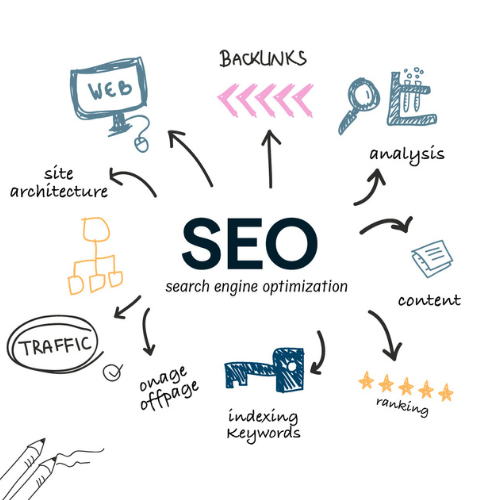
Introduction In the modern digital era, businesses must establish a strong online presence to remain competitive. Millions of people use search engines every day to find products, services, and information. If your website does not appear in search results, your business may lose valuable opportunities. This Guide to Understanding SEO and Its Benefits will help you understand how SEO works and why it is essential for online success. What is SEO? It is an organic process of optimizing or trying to rank the website higher on the SERP(Search Engine Result Page) For example, if someone searches for “best digital marketing agency in Bangalore,” websites optimized with SEO are more likely to appear on the first page of search results. Why SEO is Important One of the main reasons businesses invest in SEO is because most users never go beyond the first page of search results. If your website is not visible, potential customers may never find your business. This Guide to Understanding SEO and Its Benefits highlights that SEO helps businesses: Increase website traffic Build brand awareness Generate quality leads Improve credibility and trust Increase sales and conversions Achieve long-term online growth Unlike paid advertisements, SEO focuses on organic traffic, which means you do not need to pay for every click. How Search Engines Work It is important to know how search engines work. Search engines use bots or crawlers to scan websites and collect information. They analyse content, keywords, website speed, mobile-friendliness, and many other factors before deciding where a website should rank. Search engines mainly follow three steps: Crawling – Discovering website page Indexing – Storing and organizing information Ranking – Displaying the best results for a search query Types of SEO 1. On-Page SEO 2. Off-Page SEO 3. Technical SEO 4. Local SEO 1. On-page SEO : On-page SEO focuses on optimizing elements within your website. Key elements to optimize include: Title Description(Meta Description) URL Content Sub Headings Alt Text (Alt image) Title (Meta Title): Include target keywords and keep them under 50-60 characters. Meta Descriptions:  Write a compelling summary (under 160 characters) using the keyword to improve your click-through rate. URL Structure: Create simple, descriptive URLs that contain keywords (e.g., ://yourwebsite.com). Content Quality: Produce high-quality, relevant, and useful content that satisfies search intent. Sub Headings: Use header tags to create a logical structure and highlight key topics, Your page’s main title (the H1) should clearly feature the primary keyword. Image Alt Text: Describe the image accurately, and naturally weave in the keyword where it makes sense. Best Practices & Pitfalls Match Search Intent: Google ranks pages that satisfy why the user is searching. Analyze current top-ranking pages to see if searchers are looking for a how-to guide, a product page, or a listicle. Avoid Keyword Stuffing: Write naturally for humans first. Using keywords excessively looks spammy and can harm rankings. Use Synonyms: Instead of repeating the same exact keyword phrase, include LSI (Latent Semantic Indexing) keywords and related terms to give search bots broader context 2. Off-page SEO Off-page SEO refers to all optimization actions taken outside your own website to boost its search engine rankings. It primarily involves building backlinks (digital endorsements), growing brand awareness, and managing online reputation, which signal to search engines that your site is trustworthy and authoritative.  Core Off-Page SEO Strategies: 1. Link Building Link building is the most critical element of off-page SEO. Earning hyperlinks (backlinks) from high authority, relevant websites acts as a vote of confidence, improving your sites credibility in the eyes of search algorithms. Digital PR: Pitching unique data or expert quotes to journalists to earn a feature and a link. Guest Blogging: Writing high-quality content for reputable blogs in your industry in exchange for a link back to your site. Broken Link Building: Finding broken links on external sites and suggesting your content as a replacement.  2. Brand Mentions & Citations Even when a website does not link directly to your site, simply mentioning your brand name contributes to your online authority. Unlinked Brand Mentions: Use tools like Google Alerts to monitor mentions of your business and gently reach out to webmasters asking to turn them into clickable links. Local Citations: Ensure your business name, address, and phone number (NAP) are consistent across directories like Google Business Profile and Yelp. 3. Social Media & Content Promotion While social media links are typically “nofollow” and do not pass direct ranking power, they are vital for driving referral traffic and expanding your content’s reach. Sharing valuable content socially can lead to organic discoveries by bloggers and journalists who may ultimately link to your site. 4. Reviews and Forums User perception and engagement outside of your website heavily impact your overall trust factor. Review Sites: Encourage happy customers to leave reviews on platforms like Trustpilot, Google, or specialized industry review boards. Community Engagement: Answer questions and participate in discussions on platforms like Reddit or niche forums, positioning your brand as a helpful authority. 3. Technical SEO Technical SEO is the process of optimizing the technical aspects of a website to improve its search engine rankings. It involves making changes to websites architecture, coding, and other technical elements to make it easier for search engines to crawl and index the sites pages. Benefits of SEO(Search Engine Optimization): SEO provides long-term advantages for businesses of all sizes. Below are some key benefits explained in this Guide to Understanding SEO and Its Benefits. 1. Increased Organic Traffic SEO helps websites appear in search results when users search for related topics. Higher rankings lead to more clicks and visitors. 2. Better User Experience SEO improves website navigation, speed, and mobile responsiveness, making it easier for users to browse your website. 3. Higher Credibility and Trust Websites that rank on the first page are often seen as more trustworthy by users. SEO helps build brand authority over time. 4. Cost-Effective Marketing Unlike paid advertising, SEO focuses on organic traffic. This makes it a cost-effective long-term marketing strategy. 5. Improved Conversion Rates SEO targets

A Guide to Understanding SEO and Its Benefits Read More »

how digital marketing works for your business

Introduction In todays fast moving online world, business needs more than just a shop, office, or website to grow. Customers spend hours every day on engines, social media platforms, email, and online shopping websites, this where digital marketing becomes one of the most powerful tools for any business. Digital marketing works for business by helping companies connect with the right audience, build brand awareness, generate leads, and increase sales through online platforms. Digital marketing helps businesses connect with the right audience, increase brand awareness, generate leads, and improve sales using online channels. Whether you run a small local business or a large company, digital marketing can help you reach customers faster and more effectively than traditional marketing methods.  Below we can see how Digital marketing works for business and why it plays an important role in business growth today What is Digital Marketing? It is the act of promoting the product and services. It is the modern online version of traditional advertising (like billboards or TV ads) that helps businesses connect with customers on websites, social media, search engines, and email to drive sales.  Components of Digital Marketing: 1.Social Media Marketing 2.Search Engine Optimization (SEO) 3. Email Marketing 4. Pay-Per-Click (PPC) Advertising 5. Content Marketing The main goal of digital marketing is to attract potential customers online and convert them into loyal buyers. Digital marketing works for business by helping you reach the right audience, improve brand visibility, increase customer engagement, and generate more sales through effective online strategies. Why Digital Marketing is Important for Businesses? Digital marketing is important for business because it offers a cost effective way to reach global audience. Most customers search online before buying a product or service. If your business is not visible online, you may lose potential customers to competitors. Key Reasons Digital Marketing is Essential: Global reach and Accessibility: Digital marketing helps small business to reach global audience to find a new market. Cost effectiveness: Compare to traditional method digital marketing is less amount and it offers better return on investment and allowing smaller budgets to be focused on targeted audiences. targeted and Personalized Advertising: Business can target specific demographics interest and behaviours, ensuring marketing efforts reach the right people. improved conversion rate.                                                                                                                                                                                                                                                                                                                                                                                         Today, customers search online before purchasing anything. If your business is not visible online, you may lose customers to competitors. Digital marketing works for business by helping you connect with potential customers online, improve visibility, and grow your brand more effectively than traditional marketing methods. How Digital Marketing Works Digital marketing works for business by attracting potential customers online and guiding them toward making a purchase or taking action. This process usually happens in several stages. 1. Understanding the Target Audience It is the first step in digital marketing is identifying the target audience. Businesses need to understand: who there customer are what customer is searching for which platform they use what problem they need solved For example, a fashion brand may target young adults on Instagram, while a software company may focus on professionals through LinkedIn. Understanding the audience helps businesses create the right marketing message. 2. Creating an Online Presence Building a strong online presence requires a professional website as a central hub, consistent branding across social media, and regular, high quality content creation. Optimize for search engines to increase visibility, actively engage with your audience, and maintain a consistent, authentic brand voice to build trust. A strong online presence is important for digital marketing success. Businesses usually start with: A professional website Social media Profiles Google business profile Blog content A website acts as the digital home of the business where customers can learn about products, services, prices, and contact details. Social media platforms help businesses interact with customers and build relationships. 3. Search Engine Optimization (SEO) SEO  is the process of improving a website to increase its visibility and ranking in unpaid (organic) search engine results. It involves optimizing content and technical elements to attract more visitors, making it a crucial digital marketing strategy for driving traffic, brand awareness, and conversions without paying for ads.  SEO includes: Keyword optimization Quality content creation Website speed improvement Mobile-friendly design Link building Good SEO brings organic traffic to a website without paying for ads. Lorem ipsum dolor sit amet, consectetur adipiscing elit. Ut elit tellus, luctus nec ullamcorper mattis, pulvinar dapibus leo. 4. Content Marketing Content marketing is a strategic approach focused on creating and distributing valuable, relevant, and consistent content to attract and retain a clearly defined audience, ultimately driving profitable customer action. Content marketing focuses on creating valuable and informative content to attract customers. Common types of content include: Blog posts Videos Infographics Social media posts E-books Podcasts   Useful content helps businesses educate customers, solve problems, and build trust. For example, a skincare brand may publish blogs about skincare routines or beauty tips. This encourages users to

how digital marketing works for your business Read More »

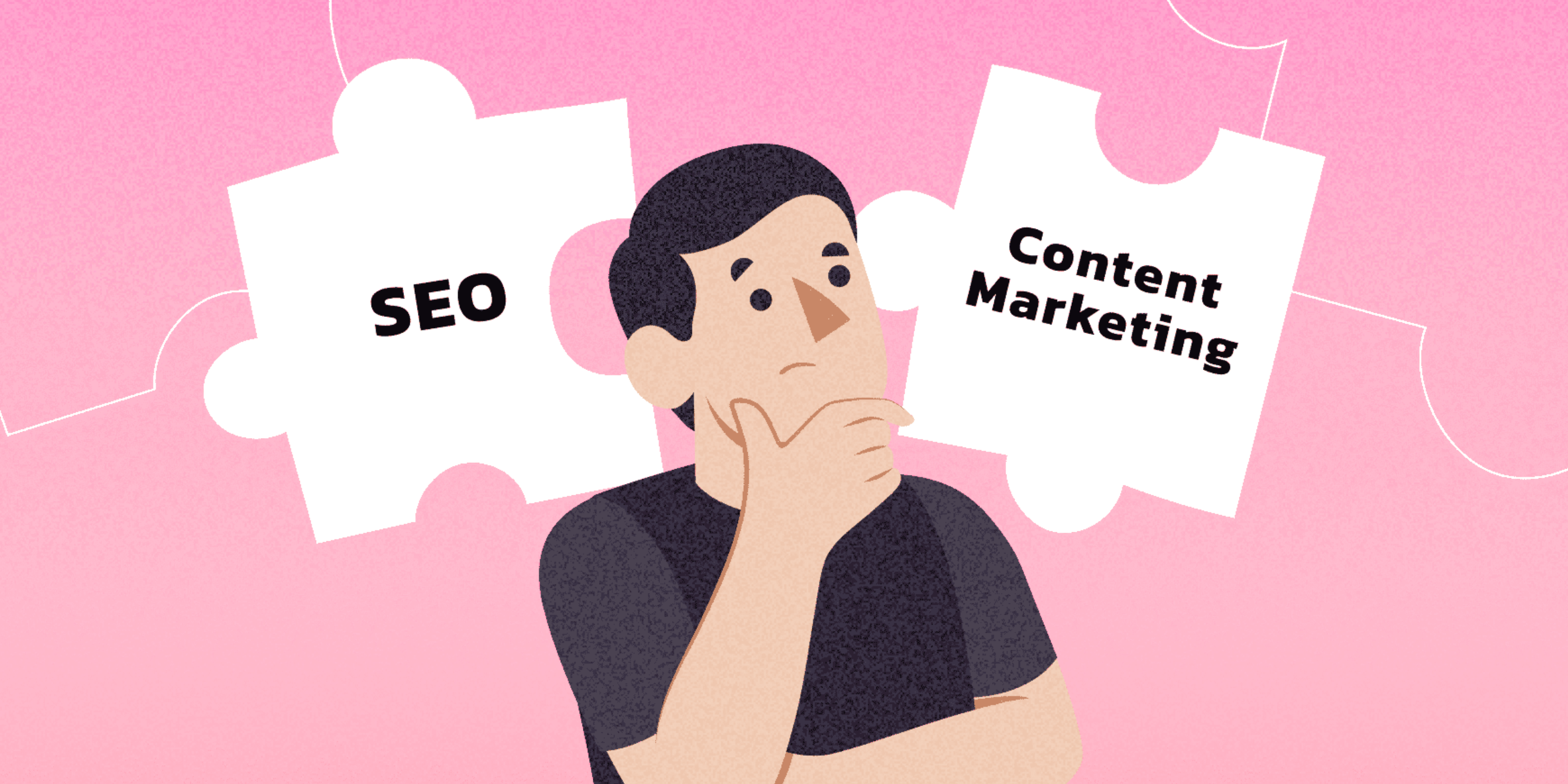
How to Understand SEO vs. Content Marketing

Introduction In the ever-evolving digital landscape, two terms often dominate marketing discussions: SEO vs. Content Marketing While both aim to boost your online presence, they serve distinct purposes and require different approaches. Understanding the difference—and how they complement each other—is crucial for any business or marketer looking to thrive in 2025. What is SEO? SEO(Search Engine Optimization) is the process of optimizing your website and its content to rank higher in search engine results pages (SERPs). The goal is to attract organic (non-paid) traffic by making your site more visible and relevant to search engines like Google. Key Aspects of SEO Keyword Research: Identifying the terms and phrases your audience is searching for. On-Page Optimization: Improving content, meta tags, headings, and internal linking. Technical SEO: Enhancing site speed, mobile responsiveness, and crawlability. Link Building: Gaining backlinks from authoritative websites to improve credibility. In 2026, SEO vs. Content Marketing has become a major topic because SEO is now heavily influenced by AI-powered search results, user intent, and high-quality content. Search engines prioritize websites that provide valuable and trustworthy information. What is Content Marketing? Content marketing is the strategy of creating and distributing valuable, relevant, and engaging content to attract a target audience. The aim is not only to generate traffic but also to build trust and long-term customer relationships. Key aspects of Content Marketing: Storytelling: Crafting narratives that resonate with your audience. Audience Engagement: Using blogs, videos, social media, and emails to connect with users. Brand Building: Positioning your brand as a thought leader in your industry. Content Diversity: Leveraging formats like videos, podcasts, and interactive content to meet audience preferencessiegemedia.com+2. SEO vs. Content Marketing: Key Differences Aspect SEO Content Marketing Primary Goal Increase rankings and traffic Build trust and engagement Focus Keywords, technical optimization Audience value and storytelling Content Type Search-engine optimized User-focused and engaging Measurement Rankings, CTR, organic traffic Shares, engagement, conversions Longevity Affected by algorithm changes Builds long-term loyalty The debate around SEO vs. Content Marketing often leads marketers to believe they are separate strategies. In reality, they work best together. How SEO and Content Marketing Work Together The strongest digital marketing strategies combine both SEO and content marketing. 1. SEO Provides Visibility SEO helps identify what users are searching for. It ensures your website structure, keywords, and technical setup help your content rank higher on search engines. 2. Content Marketing Delivers Value Content marketing ensures visitors stay engaged once they find your website. High-quality blogs, videos, and guides increase dwell time, encourage sharing, and improve conversions. This is why SEO vs. Content Marketing should not be viewed as a competition. Instead, they complement each other perfectly. SEO vs. Content Marketing Trends in 2025 1. AI and E-E-A-T Google now prioritizes content demonstrating Experience, Expertise, Authority, and Trustworthiness (E-E-A-T). Businesses focusing on authentic, informative content are gaining better rankings. 2. Video and Interactive Content Videos, podcasts, quizzes, and interactive tools are becoming essential for engagement. These formats improve both SEO performance and user experience. 3. Search Intent Optimization Understanding why users search for something is more important than simply targeting keywords. Modern strategies for SEO vs. Content Marketing focus on solving user problems effectively. 4. Voice Search Optimization Voice searches are increasing rapidly in 2025. Content optimized for conversational keywords and question-based queries performs better. Which Should You Prioritize? The answer is simple: both. A successful strategy for SEO vs. Content Marketing requires balance: Use SEO to make your content discoverable. Use content marketing to make your content engaging and valuable. Ignoring either one can limit your online growth potential. Actionable Tips for 2025 1. Audit Your Existing Content Review your blogs, landing pages, and website content to ensure they are optimized for both users and search engines. 2. Focus on Quality Over Quantity Publishing fewer high-quality articles is more effective than producing large amounts of low-value content. 3. Optimize for Mobile Users Mobile-first indexing remains crucial. Ensure your website loads quickly and provides a smooth mobile experience. 4. Update Old Content Refreshing outdated blogs with new data and keywords can significantly improve rankings. 5. Combine SEO with Content Strategy The best approach to SEO vs. Content Marketing is integrating both into one cohesive strategy. Conclusion The discussion around SEO vs. Content Marketing continues to evolve, but the truth remains clear: both are essential for digital success in 2025. SEO helps your audience find you, while content marketing helps them trust and remember you. When combined effectively, they create a powerful marketing strategy that drives traffic, engagement, and conversions. Businesses that successfully merge SEO techniques with high-quality content creation will stay ahead of competitors and build long-term online authority. Ready to improve your digital strategy? Start optimizing your content today with the perfect balance of SEO and content marketing.

How to Understand SEO vs. Content Marketing Read More »

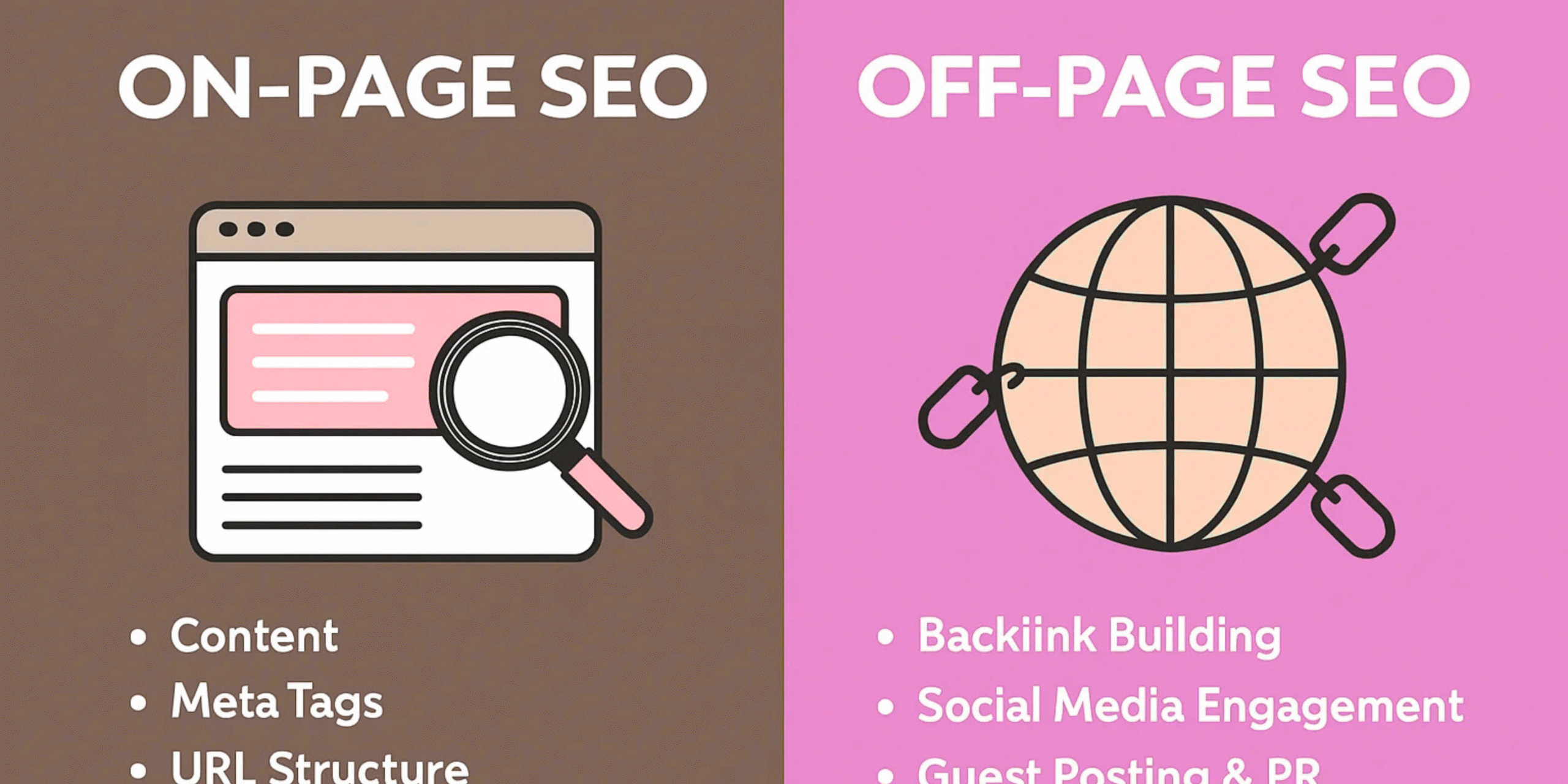
On-page SEO vs Off-page SEO

How to Combine On-Page and Off-Page SEO Effectively

Introduction Search Engine Optimization (SEO) is the backbone of digital marketing. To achieve top rankings and drive organic traffic, you need a balanced approach that integrates both On-page and off-page SEO. While on-page SEO focuses on optimizing elements within your website, off-page SEO builds your site’s authority and reputation across the web. In this guide, you’ll learn how to effectively maximize your SEO results using On-page and off-page SEO strategies that improve visibility, traffic, and online credibility. What is On-Page SEO? It ids the process of optimizing content, layout and responsiveness is On-page SEO. The major part of ON-page SEO is the content that we write on-page and are those SEO optimize.  These include: Content Quality: High-quality, relevant, and engaging content that answers user queries. Keyword Optimization: Strategic placement of focus keywords in titles, headers, and body text. Meta Tags: Optimized meta titles and descriptions for better click-through rates. URL Structure: Clean, descriptive URLs that include target keywords. Internal and External Linking: Linking to other relevant pages on your site to improve navigation and SEO. Image Optimization: Using alt text and compressing images for faster load times. A strong On-page and off-page SEO strategy always starts with a well-optimized website that offers excellent user experience and valuable content. What is Off-Page SEO? Off-page SEO refers to the techniques and strategies that are utilized outside of a website to improve its search engine ranking and online visibility Key elements include: Backlinks: High-quality links from authoritative websites signal trust and relevance to search engines. Social Media Engagement: Active presence on social platforms can drive traffic and brand awareness. Guest Blogging: Writing for other reputable sites to build backlinks and establish authority. Online Reputation Management: Encouraging positive reviews and managing your brand’s online image. Successful On-page and off-page SEO requires consistency, relationship-building, and creating content that others naturally want to share and reference. How to Combine On-Page and Off-Page SEO Effectively 1. Start with a Solid On-Page Foundation Before you build off-page signals, ensure your website is fully optimized: Keyword Research: Identify relevant keywords and incorporate them naturally into your content. Content Creation: Publish in-depth, valuable content that addresses user needs. Technical SEO: Improve site speed, mobile-friendliness, and crawlability. Without proper website optimization, your On-page and off-page SEO efforts may not deliver long-term results. 2. Build High-Quality Backlinks Once your on-page SEO is strong, focus on earning backlinks: Create Link-Worthy Content: Infographics, case studies, and original research attract natural backlinks. Outreach: Connect with influencers and industry leaders for guest posting opportunities. Local SEO: List your business in local directories and encourage customer reviews. High-authority backlinks remain one of the most powerful ranking factors in On-page and off-page SEO. 3. Leverage Social Media and Brand Mentions Share Content: Promote your blog posts and pages on social media to increase visibility. Engage with Your Audience: Respond to comments and encourage discussions to build community. Monitor Brand Mentions: Use tools to track mentions and engage with users who talk about your brand. Social signals may indirectly support your On-page and off-page SEO performance by driving traffic and increasing brand recognition. 4. Analyze and Adapt Track Performance: Use analytics tools to monitor traffic, rankings, and backlink quality. Adjust Strategies: Refine your approach based on data and industry trends. SEO is constantly evolving, so continuous improvement is essential for maintaining strong rankings. Common Mistakes to Avoid Ignoring User Experience: Never sacrifice usability for SEO. Over-Optimizing: Avoid keyword stuffing and unnatural link-building tactics. Neglecting Mobile Optimization: Ensure your site is mobile-friendly. Forgetting Local SEO: Optimize for local searches if you have a physical presence. Conclusion Combining on-page SEO and off-page SEO is essential for a comprehensive digital marketing strategy. By optimizing your website’s content and structure while building authority through backlinks and social engagement, you can significantly improve search rankings and drive more organic traffic. Start implementing these strategies today and watch your website climb the search results with the power of On-page and off-page SEO.

How to Combine On-Page and Off-Page SEO Effectively Read More »

Local SEO for small business

How to Boost Local SEO for Small Businesses

Introduction In today’s digital age, Local SEO(Search Engine Optimization) for Small Businesses is not just an option—it’s a necessity. With more consumers turning to online searches to find local products and services, appearing at the top of local search results can make or break your business. Whether you run a cosy café, a boutique, or a service-based company, mastering Local SEO for Small Businesses helps you connect with customers right when they’re ready to buy. This guide will walk you through proven strategies to boost your local visibility, drive more foot traffic, and increase sales in 2026. 1. Optimize Your Google Business Profile (GBP) Your Google Business Profile is the cornerstone of Local SEO for Small Businesses. It’s often the first thing potential customers see when they search for services like yours. Claim and verify your listing to ensure your business information is accurate and updated. Complete every section by adding high-quality photos, business hours, services, and a compelling business description. Use relevant categories to improve your visibility in local searches. Post regular updates, offers, and announcements to keep your profile active and engaging. A well-optimized GBP can significantly improve local rankings and customer trust. 2. Ensure NAP Consistency NAP stands for Name, Address, and Phone Number. Maintaining consistency across all platforms is essential for better local rankings. Audit your listings on websites, directories, and social media platforms. Ensure your business name, address, and phone number appear exactly the same everywhere. Correct any mismatched details that may confuse search engines. Strong NAP consistency helps search engines trust your business information and improves Local SEO for Small Businesses. 3. Build High-Quality Local Backlinks Backlinks from trusted local websites tell search engines that your business is credible and relevant. Partner with local bloggers, newspapers, and organizations. Sponsor local events or charities to gain mentions and links. List your business in reputable local directories. Building local backlinks is one of the most effective ways to strengthen Local SEO for Small Businesses and improve domain authority. 4. Collect and Respond to Customer Reviews Customer reviews are a major ranking factor and heavily influence buying decisions. Encourage satisfied customers to leave reviews on Google and other platforms. Respond professionally to both positive and negative feedback. Thank customers for their support and address concerns promptly. Positive reviews not only improve credibility but also enhance Local SEO for Small Businesses by increasing engagement and trust signals. 5. Create Localized Content Creating content tailored to your local audience helps you rank higher for location-based searches. Write blogs about local events, news, and community activities. Use local keywords naturally throughout your content. Mention nearby landmarks, neighbourhoods, or city names in your meta titles and descriptions. Localized content helps attract nearby customers and makes your business more relevant in search results. 6. Optimize for Mobile and Voice Search Today, most local searches happen on smartphones and voice assistants. Make sure your website is mobile-friendly and loads quickly. Use easy navigation and responsive design. Optimize for conversational, question-based searches such as: “Where is the best bakery near me?” “Top digital marketing agency in Bangalore” Voice search optimization is becoming increasingly important for Local SEO for Small Businesses in 2025. 7. Monitor and Adapt Your Strategy Local SEO is not a one-time effort. Continuous monitoring and improvements are necessary for long-term success. Use tools like Google Analytics and Google Search Console to track performance. Monitor keyword rankings, website traffic, and user behaviour. Stay updated with Google algorithm changes and local SEO trends. Regular optimization ensures your business stays competitive and visible in local search results. Conclusion Improving Local SEO for Small Businesses is all about increasing visibility, building credibility, and connecting with your local audience. By optimizing your Google Business Profile, maintaining NAP consistency, earning quality backlinks, and engaging with customer reviews, you can attract more local customers and grow your business effectively. Start implementing these strategies today and watch your local presence, customer engagement, and sales grow in 2026

How to Boost Local SEO for Small Businesses Read More »