hemalathabs

SEO

How to Understand SEO vs. Content Marketing

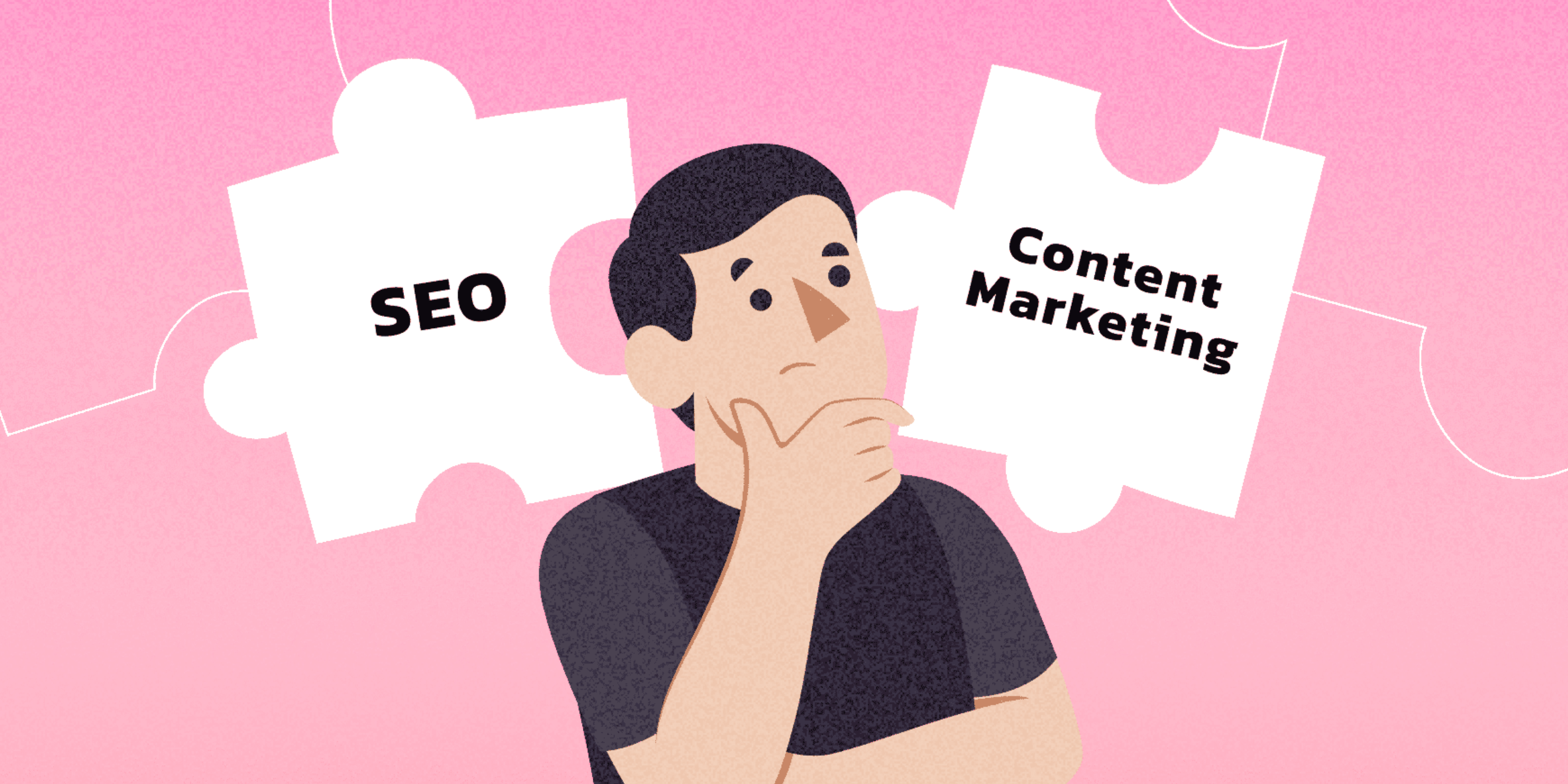
Introduction In the ever-evolving digital landscape, two terms often dominate marketing discussions: SEO vs. Content Marketing While both aim to boost your online presence, they serve distinct purposes and require different approaches. Understanding the difference—and how they complement each other—is crucial for any business or marketer looking to thrive in 2025. What is SEO? SEO(Search Engine Optimization) is the process of optimizing your website and its content to rank higher in search engine results pages (SERPs). The goal is to attract organic (non-paid) traffic by making your site more visible and relevant to search engines like Google. Key Aspects of SEO Keyword Research: Identifying the terms and phrases your audience is searching for. On-Page Optimization: Improving content, meta tags, headings, and internal linking. Technical SEO: Enhancing site speed, mobile responsiveness, and crawlability. Link Building: Gaining backlinks from authoritative websites to improve credibility. In 2026, SEO vs. Content Marketing has become a major topic because SEO is now heavily influenced by AI-powered search results, user intent, and high-quality content. Search engines prioritize websites that provide valuable and trustworthy information. What is Content Marketing? Content marketing is the strategy of creating and distributing valuable, relevant, and engaging content to attract a target audience. The aim is not only to generate traffic but also to build trust and long-term customer relationships. Key aspects of Content Marketing: Storytelling: Crafting narratives that resonate with your audience. Audience Engagement: Using blogs, videos, social media, and emails to connect with users. Brand Building: Positioning your brand as a thought leader in your industry. Content Diversity: Leveraging formats like videos, podcasts, and interactive content to meet audience preferencessiegemedia.com+2. SEO vs. Content Marketing: Key Differences Aspect SEO Content Marketing Primary Goal Increase rankings and traffic Build trust and engagement Focus Keywords, technical optimization Audience value and storytelling Content Type Search-engine optimized User-focused and engaging Measurement Rankings, CTR, organic traffic Shares, engagement, conversions Longevity Affected by algorithm changes Builds long-term loyalty The debate around SEO vs. Content Marketing often leads marketers to believe they are separate strategies. In reality, they work best together. How SEO and Content Marketing Work Together The strongest digital marketing strategies combine both SEO and content marketing. 1. SEO Provides Visibility SEO helps identify what users are searching for. It ensures your website structure, keywords, and technical setup help your content rank higher on search engines. 2. Content Marketing Delivers Value Content marketing ensures visitors stay engaged once they find your website. High-quality blogs, videos, and guides increase dwell time, encourage sharing, and improve conversions. This is why SEO vs. Content Marketing should not be viewed as a competition. Instead, they complement each other perfectly. SEO vs. Content Marketing Trends in 2025 1. AI and E-E-A-T Google now prioritizes content demonstrating Experience, Expertise, Authority, and Trustworthiness (E-E-A-T). Businesses focusing on authentic, informative content are gaining better rankings. 2. Video and Interactive Content Videos, podcasts, quizzes, and interactive tools are becoming essential for engagement. These formats improve both SEO performance and user experience. 3. Search Intent Optimization Understanding why users search for something is more important than simply targeting keywords. Modern strategies for SEO vs. Content Marketing focus on solving user problems effectively. 4. Voice Search Optimization Voice searches are increasing rapidly in 2025. Content optimized for conversational keywords and question-based queries performs better. Which Should You Prioritize? The answer is simple: both. A successful strategy for SEO vs. Content Marketing requires balance: Use SEO to make your content discoverable. Use content marketing to make your content engaging and valuable. Ignoring either one can limit your online growth potential. Actionable Tips for 2025 1. Audit Your Existing Content Review your blogs, landing pages, and website content to ensure they are optimized for both users and search engines. 2. Focus on Quality Over Quantity Publishing fewer high-quality articles is more effective than producing large amounts of low-value content. 3. Optimize for Mobile Users Mobile-first indexing remains crucial. Ensure your website loads quickly and provides a smooth mobile experience. 4. Update Old Content Refreshing outdated blogs with new data and keywords can significantly improve rankings. 5. Combine SEO with Content Strategy The best approach to SEO vs. Content Marketing is integrating both into one cohesive strategy. Conclusion The discussion around SEO vs. Content Marketing continues to evolve, but the truth remains clear: both are essential for digital success in 2025. SEO helps your audience find you, while content marketing helps them trust and remember you. When combined effectively, they create a powerful marketing strategy that drives traffic, engagement, and conversions. Businesses that successfully merge SEO techniques with high-quality content creation will stay ahead of competitors and build long-term online authority. Ready to improve your digital strategy? Start optimizing your content today with the perfect balance of SEO and content marketing.

How to Understand SEO vs. Content Marketing Read More »
On-page SEO vs Off-page SEO

How to Combine On-Page and Off-Page SEO Effectively

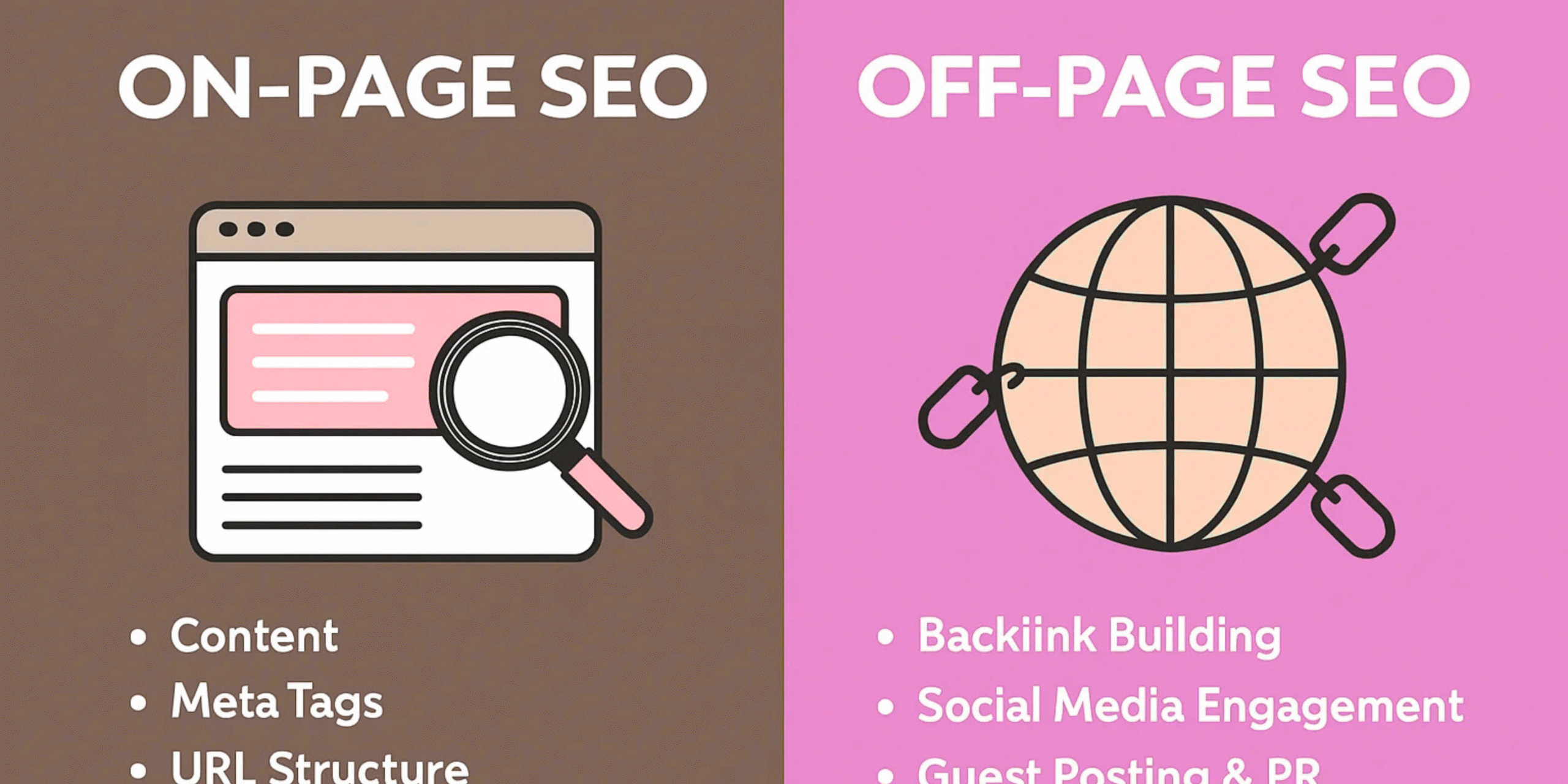
Introduction Search Engine Optimization (SEO) is the backbone of digital marketing. To achieve top rankings and drive organic traffic, you need a balanced approach that integrates both On-page and off-page SEO. While on-page SEO focuses on optimizing elements within your website, off-page SEO builds your site’s authority and reputation across the web. In this guide, you’ll learn how to effectively maximize your SEO results using On-page and off-page SEO strategies that improve visibility, traffic, and online credibility. What is On-Page SEO? It ids the process of optimizing content, layout and responsiveness is On-page SEO. The major part of ON-page SEO is the content that we write on-page and are those SEO optimize.  These include: Content Quality: High-quality, relevant, and engaging content that answers user queries. Keyword Optimization: Strategic placement of focus keywords in titles, headers, and body text. Meta Tags: Optimized meta titles and descriptions for better click-through rates. URL Structure: Clean, descriptive URLs that include target keywords. Internal and External Linking: Linking to other relevant pages on your site to improve navigation and SEO. Image Optimization: Using alt text and compressing images for faster load times. A strong On-page and off-page SEO strategy always starts with a well-optimized website that offers excellent user experience and valuable content. What is Off-Page SEO? Off-page SEO refers to the techniques and strategies that are utilized outside of a website to improve its search engine ranking and online visibility Key elements include: Backlinks: High-quality links from authoritative websites signal trust and relevance to search engines. Social Media Engagement: Active presence on social platforms can drive traffic and brand awareness. Guest Blogging: Writing for other reputable sites to build backlinks and establish authority. Online Reputation Management: Encouraging positive reviews and managing your brand’s online image. Successful On-page and off-page SEO requires consistency, relationship-building, and creating content that others naturally want to share and reference. How to Combine On-Page and Off-Page SEO Effectively 1. Start with a Solid On-Page Foundation Before you build off-page signals, ensure your website is fully optimized: Keyword Research: Identify relevant keywords and incorporate them naturally into your content. Content Creation: Publish in-depth, valuable content that addresses user needs. Technical SEO: Improve site speed, mobile-friendliness, and crawlability. Without proper website optimization, your On-page and off-page SEO efforts may not deliver long-term results. 2. Build High-Quality Backlinks Once your on-page SEO is strong, focus on earning backlinks: Create Link-Worthy Content: Infographics, case studies, and original research attract natural backlinks. Outreach: Connect with influencers and industry leaders for guest posting opportunities. Local SEO: List your business in local directories and encourage customer reviews. High-authority backlinks remain one of the most powerful ranking factors in On-page and off-page SEO. 3. Leverage Social Media and Brand Mentions Share Content: Promote your blog posts and pages on social media to increase visibility. Engage with Your Audience: Respond to comments and encourage discussions to build community. Monitor Brand Mentions: Use tools to track mentions and engage with users who talk about your brand. Social signals may indirectly support your On-page and off-page SEO performance by driving traffic and increasing brand recognition. 4. Analyze and Adapt Track Performance: Use analytics tools to monitor traffic, rankings, and backlink quality. Adjust Strategies: Refine your approach based on data and industry trends. SEO is constantly evolving, so continuous improvement is essential for maintaining strong rankings. Common Mistakes to Avoid Ignoring User Experience: Never sacrifice usability for SEO. Over-Optimizing: Avoid keyword stuffing and unnatural link-building tactics. Neglecting Mobile Optimization: Ensure your site is mobile-friendly. Forgetting Local SEO: Optimize for local searches if you have a physical presence. Conclusion Combining on-page SEO and off-page SEO is essential for a comprehensive digital marketing strategy. By optimizing your website’s content and structure while building authority through backlinks and social engagement, you can significantly improve search rankings and drive more organic traffic. Start implementing these strategies today and watch your website climb the search results with the power of On-page and off-page SEO.

How to Combine On-Page and Off-Page SEO Effectively Read More »

Local SEO for small business

How to Boost Local SEO for Small Businesses

Introduction In today’s digital age, Local SEO(Search Engine Optimization) for Small Businesses is not just an option—it’s a necessity. With more consumers turning to online searches to find local products and services, appearing at the top of local search results can make or break your business. Whether you run a cosy café, a boutique, or a service-based company, mastering Local SEO for Small Businesses helps you connect with customers right when they’re ready to buy. This guide will walk you through proven strategies to boost your local visibility, drive more foot traffic, and increase sales in 2026. 1. Optimize Your Google Business Profile (GBP) Your Google Business Profile is the cornerstone of Local SEO for Small Businesses. It’s often the first thing potential customers see when they search for services like yours. Claim and verify your listing to ensure your business information is accurate and updated. Complete every section by adding high-quality photos, business hours, services, and a compelling business description. Use relevant categories to improve your visibility in local searches. Post regular updates, offers, and announcements to keep your profile active and engaging. A well-optimized GBP can significantly improve local rankings and customer trust. 2. Ensure NAP Consistency NAP stands for Name, Address, and Phone Number. Maintaining consistency across all platforms is essential for better local rankings. Audit your listings on websites, directories, and social media platforms. Ensure your business name, address, and phone number appear exactly the same everywhere. Correct any mismatched details that may confuse search engines. Strong NAP consistency helps search engines trust your business information and improves Local SEO for Small Businesses. 3. Build High-Quality Local Backlinks Backlinks from trusted local websites tell search engines that your business is credible and relevant. Partner with local bloggers, newspapers, and organizations. Sponsor local events or charities to gain mentions and links. List your business in reputable local directories. Building local backlinks is one of the most effective ways to strengthen Local SEO for Small Businesses and improve domain authority. 4. Collect and Respond to Customer Reviews Customer reviews are a major ranking factor and heavily influence buying decisions. Encourage satisfied customers to leave reviews on Google and other platforms. Respond professionally to both positive and negative feedback. Thank customers for their support and address concerns promptly. Positive reviews not only improve credibility but also enhance Local SEO for Small Businesses by increasing engagement and trust signals. 5. Create Localized Content Creating content tailored to your local audience helps you rank higher for location-based searches. Write blogs about local events, news, and community activities. Use local keywords naturally throughout your content. Mention nearby landmarks, neighbourhoods, or city names in your meta titles and descriptions. Localized content helps attract nearby customers and makes your business more relevant in search results. 6. Optimize for Mobile and Voice Search Today, most local searches happen on smartphones and voice assistants. Make sure your website is mobile-friendly and loads quickly. Use easy navigation and responsive design. Optimize for conversational, question-based searches such as: “Where is the best bakery near me?” “Top digital marketing agency in Bangalore” Voice search optimization is becoming increasingly important for Local SEO for Small Businesses in 2025. 7. Monitor and Adapt Your Strategy Local SEO is not a one-time effort. Continuous monitoring and improvements are necessary for long-term success. Use tools like Google Analytics and Google Search Console to track performance. Monitor keyword rankings, website traffic, and user behaviour. Stay updated with Google algorithm changes and local SEO trends. Regular optimization ensures your business stays competitive and visible in local search results. Conclusion Improving Local SEO for Small Businesses is all about increasing visibility, building credibility, and connecting with your local audience. By optimizing your Google Business Profile, maintaining NAP consistency, earning quality backlinks, and engaging with customer reviews, you can attract more local customers and grow your business effectively. Start implementing these strategies today and watch your local presence, customer engagement, and sales grow in 2026

How to Boost Local SEO for Small Businesses Read More »

How to Choose Between SEO and SEM for Your Business

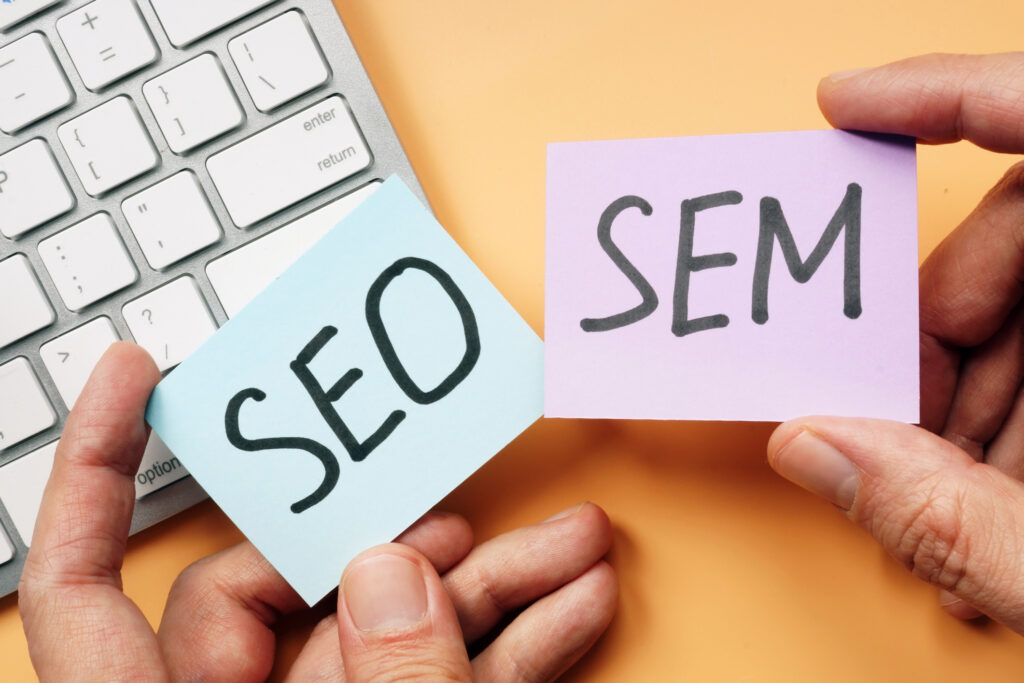
Introduction In today’s competitive digital world, businesses need strong online visibility to attract customers and increase sales. One of the biggest marketing decisions companies face is choosing between SEO and SEM. Both strategies help businesses appear in search engine results, but they work differently and offer unique advantages. Understanding the difference between SEO and SEM is essential for building an effective digital marketing strategy. While SEO focuses on organic growth and long-term success, SEM provides immediate visibility through paid advertising. Choosing the right option depends on your business goals, budget, timeline, and competition. This guide will help you understand how to choose between SEO and SEM for your business and how both can contribute to your online growth. What Is SEO(Search Engine Optimization)? SEO, or Search Engine Optimization, is the process of improving your website to rank higher in organic search engine results. SEO helps businesses attract unpaid traffic by optimizing content, website structure, and technical performance. Types of SEO On-Page SEO: Optimizing keywords, meta tags, headings, and content. Off-Page SEO: Building backlinks and improving online authority. Technical SEO: Enhancing site speed, mobile responsiveness, and user experience. Benefits of SEO Long-term traffic growth Increased website credibility Better user experience Higher trust from customers SEO is ideal for businesses looking to build sustainable online visibility over time. What is SEM(Search Engine Marketing)? Search Engine Marketing(SEM) is a digital marketing strategy used to increase a websites visibility on search engine result pages(SERP) primarily through Paid advertising. Often synonymous with pay-per-click(PPC) advertising, SEM allows businesses to pay for ads to appear when users search for specific keyword related to their products or services Types of SEM Google Ads Bing Ads PPC (Pay-Per-Click) campaigns Display advertising Remarketing campaigns Benefits of SEM Immediate visibility Faster lead generation Targeted audience reach Easy performance tracking Businesses often use SEM for promotions, product launches, and quick conversions. Key Differences Between SEO and SEM Feature SEO SEM Traffic Type Organic Paid Cost No cost per click Pay for every click Results Long-term Immediate Credibility High user trust Sponsored visibility Sustainability Long-lasting Stops when ads stop Knowing these differences makes it easier to decide how SEO and SEM can fit into your marketing strategy. How to Choose Between SEO and SEM 1. Define Your Business Goals Your marketing objectives play a major role in choosing between SEO and SEM. Choose SEO if: You want long-term brand visibility. You aim to build authority and trust. You want consistent organic traffic. Choose SEM if: You need quick leads or sales. You are launching a new product or service. You want instant traffic to your website. Businesses with both short-term and long-term goals often combine SEO and SEM for maximum effectiveness. 2. Consider Your Budget Budget is another important factor when deciding between SEO and SEM. SEO Budget SEO requires time, effort, and quality content creation. Although there is no direct advertising cost, it may involve expenses for tools, agencies, or SEO specialists. SEM Budget SEM requires continuous ad spending. The more competitive your keywords are, the higher your advertising costs can become. If you have a limited budget, SEO may be a better long-term investment. If you can invest more for quick results, SEM can provide faster returns. 3. Evaluate Your Timeline SEO Takes Time SEO results can take several months to appear because search engines need time to index and rank your website. SEM Delivers Instant Results SEM campaigns can drive traffic immediately after launching ads. If your business needs immediate visibility, SEM is the better option. If you are planning for future growth, SEO is the smarter long-term strategy. 4. Analyse Your Industry Competition Competition levels in your industry can influence your decision. Highly competitive industries often benefit from SEM because paid ads can help businesses stand out quickly. Smaller or niche businesses may achieve strong results with SEO alone. Research your competitors and understand which strategy they are using successfully. 5. Measure and Optimize Performance Lorem ipsum dolor sit amet, consectetur adipiscing elit. Ut elit tellus, luctus nec ullamcorper mattis, pulvinar dapibus leo. Digital marketing requires constant monitoring and improvement. SEO Metrics Organic traffic Keyword rankings Bounce rate Backlinks SEM Metrics Click-through rate (CTR) Cost-per-click (CPC) Conversion rate Return on ad spend (ROAS) Tracking these metrics helps businesses improve campaigns and maximize performance. Why Combining SEO and SEM Works Best Many successful businesses combine SEO and SEM to achieve better results. Benefits of Combining Both: SEM generates immediate traffic while SEO builds long-term authority. SEM keyword data can improve SEO content strategies. SEO content can support remarketing campaigns. Using both methods together creates a balanced digital marketing strategy that drives sustainable and fast growth. Conclusion Choosing between SEO and SEM depends on your business needs, budget, goals, and timeline. SEO is the perfect solution for businesses looking for long-term growth and credibility, while SEM is ideal for companies seeking instant visibility and quick conversions. Instead of choosing only one strategy, many businesses achieve the best results by combining SEO and SEM effectively. By understanding your audience and marketing objectives, you can create a strategy that drives traffic, increases visibility, and boosts business growth.

How to Choose Between SEO and SEM for Your Business Read More »