Table of Contents
ToggleIntroduction
In today’s competitive digital world, businesses need strong online visibility to attract customers and increase sales. One of the biggest marketing decisions companies face is choosing between SEO and SEM. Both strategies help businesses appear in search engine results, but they work differently and offer unique advantages.
Understanding the difference between SEO and SEM is essential for building an effective digital marketing strategy. While SEO focuses on organic growth and long-term success, SEM provides immediate visibility through paid advertising. Choosing the right option depends on your business goals, budget, timeline, and competition.
This guide will help you understand how to choose between SEO and SEM for your business and how both can contribute to your online growth.
What Is SEO(Search Engine Optimization)?
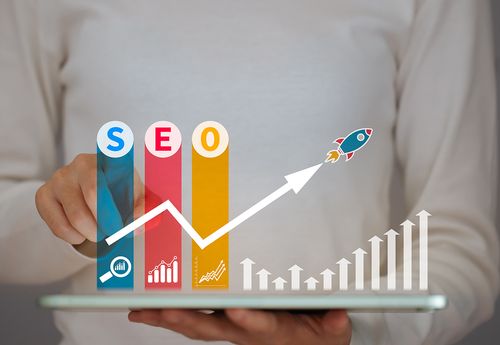
SEO, or Search Engine Optimization, is the process of improving your website to rank higher in organic search engine results. SEO helps businesses attract unpaid traffic by optimizing content, website structure, and technical performance.
Types of SEO
- On-Page SEO: Optimizing keywords, meta tags, headings, and content.
- Off-Page SEO: Building backlinks and improving online authority.
- Technical SEO: Enhancing site speed, mobile responsiveness, and user experience.
Benefits of SEO
- Long-term traffic growth
- Increased website credibility
- Better user experience
- Higher trust from customers
SEO is ideal for businesses looking to build sustainable online visibility over time.
What is SEM(Search Engine Marketing)?
Search Engine Marketing(SEM) is a digital marketing strategy used to increase a websites visibility on search engine result pages(SERP) primarily through Paid advertising. Often synonymous with pay-per-click(PPC) advertising, SEM allows businesses to pay for ads to appear when users search for specific keyword related to their products or services

Types of SEM
- Google Ads
- Bing Ads
- PPC (Pay-Per-Click) campaigns
- Display advertising
- Remarketing campaigns
Benefits of SEM
- Immediate visibility
- Faster lead generation
- Targeted audience reach
- Easy performance tracking
Businesses often use SEM for promotions, product launches, and quick conversions.
Key Differences Between SEO and SEM
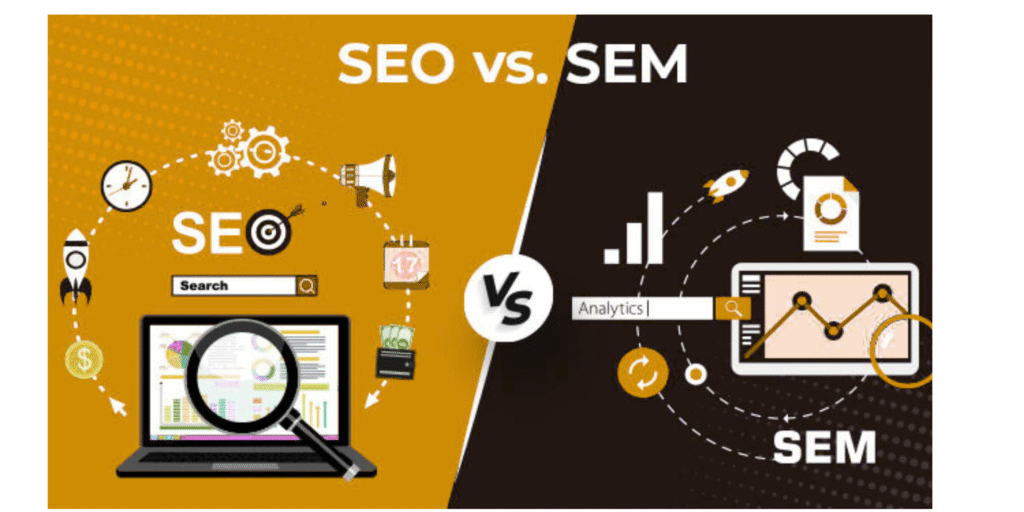
| Feature | SEO | SEM |
|---|---|---|
| Traffic Type | Organic | Paid |
| Cost | No cost per click | Pay for every click |
| Results | Long-term | Immediate |
| Credibility | High user trust | Sponsored visibility |
| Sustainability | Long-lasting | Stops when ads stop |
Knowing these differences makes it easier to decide how SEO and SEM can fit into your marketing strategy.
How to Choose Between SEO and SEM
1. Define Your Business Goals
Your marketing objectives play a major role in choosing between SEO and SEM.
Choose SEO if:
- You want long-term brand visibility.
- You aim to build authority and trust.
- You want consistent organic traffic.
Choose SEM if:
- You need quick leads or sales.
- You are launching a new product or service.
- You want instant traffic to your website.
Businesses with both short-term and long-term goals often combine SEO and SEM for maximum effectiveness.
2. Consider Your Budget
Budget is another important factor when deciding between SEO and SEM.
SEO Budget
SEO requires time, effort, and quality content creation. Although there is no direct advertising cost, it may involve expenses for tools, agencies, or SEO specialists.
SEM Budget
SEM requires continuous ad spending. The more competitive your keywords are, the higher your advertising costs can become.
If you have a limited budget, SEO may be a better long-term investment. If you can invest more for quick results, SEM can provide faster returns.
3. Evaluate Your Timeline
SEO Takes Time
SEO results can take several months to appear because search engines need time to index and rank your website.
SEM Delivers Instant Results
SEM campaigns can drive traffic immediately after launching ads.
If your business needs immediate visibility, SEM is the better option. If you are planning for future growth, SEO is the smarter long-term strategy.
4. Analyse Your Industry Competition
Competition levels in your industry can influence your decision.
- Highly competitive industries often benefit from SEM because paid ads can help businesses stand out quickly.
- Smaller or niche businesses may achieve strong results with SEO alone.
Research your competitors and understand which strategy they are using successfully.
5. Measure and Optimize Performance
Lorem ipsum dolor sit amet, consectetur adipiscing elit. Ut elit tellus, luctus nec ullamcorper mattis, pulvinar dapibus leo.
Digital marketing requires constant monitoring and improvement.
SEO Metrics
- Organic traffic
- Keyword rankings
- Bounce rate
- Backlinks
SEM Metrics
- Click-through rate (CTR)
- Cost-per-click (CPC)
- Conversion rate
- Return on ad spend (ROAS)
Tracking these metrics helps businesses improve campaigns and maximize performance.
Why Combining SEO and SEM Works Best
Many successful businesses combine SEO and SEM to achieve better results.
Benefits of Combining Both:
- SEM generates immediate traffic while SEO builds long-term authority.
- SEM keyword data can improve SEO content strategies.
- SEO content can support remarketing campaigns.
Using both methods together creates a balanced digital marketing strategy that drives sustainable and fast growth.
Conclusion
Choosing between SEO and SEM depends on your business needs, budget, goals, and timeline. SEO is the perfect solution for businesses looking for long-term growth and credibility, while SEM is ideal for companies seeking instant visibility and quick conversions.
Instead of choosing only one strategy, many businesses achieve the best results by combining SEO and SEM effectively. By understanding your audience and marketing objectives, you can create a strategy that drives traffic, increases visibility, and boosts business growth.