
Table of Contents
ToggleIntroduction
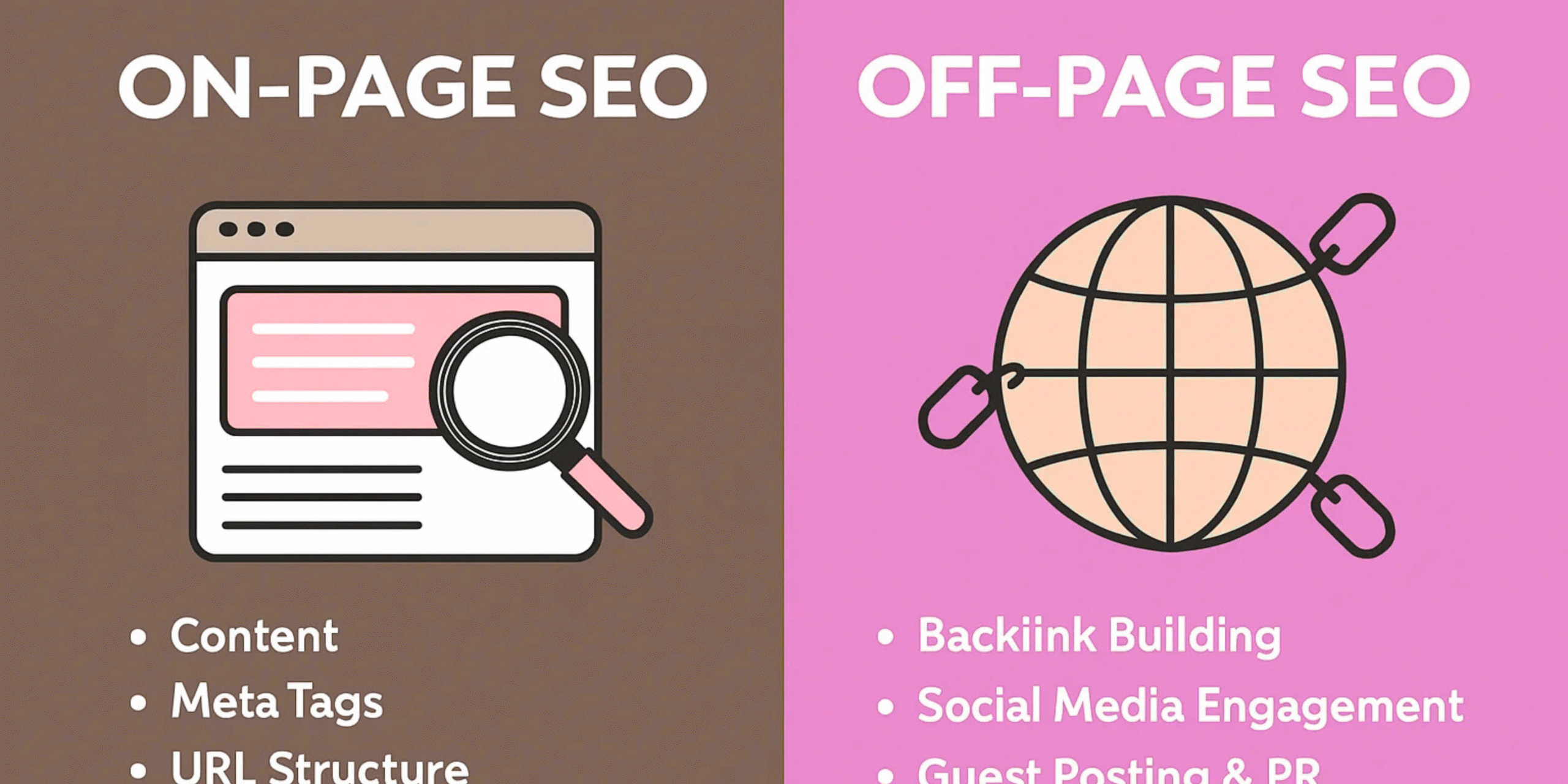
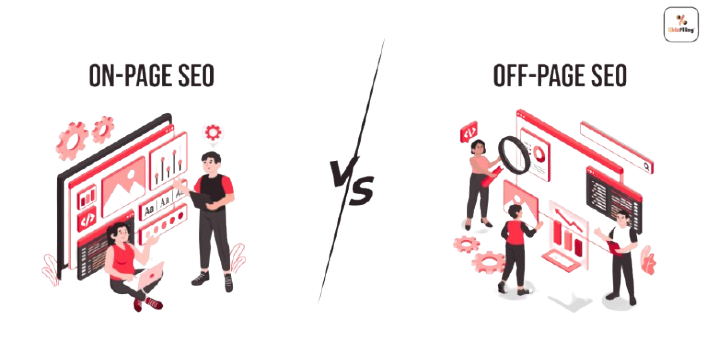
Search Engine Optimization (SEO) is the backbone of digital marketing. To achieve top rankings and drive organic traffic, you need a balanced approach that integrates both On-page and off-page SEO. While on-page SEO focuses on optimizing elements within your website, off-page SEO builds your site’s authority and reputation across the web.
In this guide, you’ll learn how to effectively maximize your SEO results using On-page and off-page SEO strategies that improve visibility, traffic, and online credibility.
What is On-Page SEO?
It ids the process of optimizing content, layout and responsiveness is On-page SEO. The major part of ON-page SEO is the content that we write on-page and are those SEO optimize.
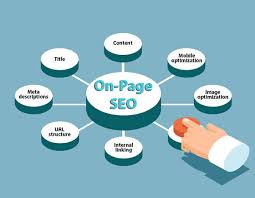
These include:
- Content Quality: High-quality, relevant, and engaging content that answers user queries.
- Keyword Optimization: Strategic placement of focus keywords in titles, headers, and body text.
- Meta Tags: Optimized meta titles and descriptions for better click-through rates.
- URL Structure: Clean, descriptive URLs that include target keywords.
- Internal and External Linking: Linking to other relevant pages on your site to improve navigation and SEO.
- Image Optimization: Using alt text and compressing images for faster load times.
A strong On-page and off-page SEO strategy always starts with a well-optimized website that offers excellent user experience and valuable content.
What is Off-Page SEO?
Off-page SEO refers to the techniques and strategies that are utilized outside of a website to improve its search engine ranking and online visibility
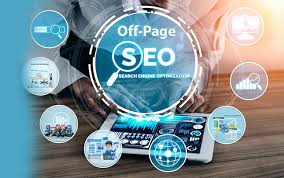
Key elements include:
- Backlinks: High-quality links from authoritative websites signal trust and relevance to search engines.
- Social Media Engagement: Active presence on social platforms can drive traffic and brand awareness.
- Guest Blogging: Writing for other reputable sites to build backlinks and establish authority.
- Online Reputation Management: Encouraging positive reviews and managing your brand’s online image.
Successful On-page and off-page SEO requires consistency, relationship-building, and creating content that others naturally want to share and reference.
How to Combine On-Page and Off-Page SEO Effectively
1. Start with a Solid On-Page Foundation
Before you build off-page signals, ensure your website is fully optimized:
- Keyword Research: Identify relevant keywords and incorporate them naturally into your content.
- Content Creation: Publish in-depth, valuable content that addresses user needs.
- Technical SEO: Improve site speed, mobile-friendliness, and crawlability.
Without proper website optimization, your On-page and off-page SEO efforts may not deliver long-term results.
2. Build High-Quality Backlinks
Once your on-page SEO is strong, focus on earning backlinks:
- Create Link-Worthy Content: Infographics, case studies, and original research attract natural backlinks.
- Outreach: Connect with influencers and industry leaders for guest posting opportunities.
- Local SEO: List your business in local directories and encourage customer reviews.
High-authority backlinks remain one of the most powerful ranking factors in On-page and off-page SEO.
3. Leverage Social Media and Brand Mentions
- Share Content: Promote your blog posts and pages on social media to increase visibility.
- Engage with Your Audience: Respond to comments and encourage discussions to build community.
- Monitor Brand Mentions: Use tools to track mentions and engage with users who talk about your brand.
Social signals may indirectly support your On-page and off-page SEO performance by driving traffic and increasing brand recognition.
4. Analyze and Adapt
- Track Performance: Use analytics tools to monitor traffic, rankings, and backlink quality.
- Adjust Strategies: Refine your approach based on data and industry trends.
SEO is constantly evolving, so continuous improvement is essential for maintaining strong rankings.
Common Mistakes to Avoid
- Ignoring User Experience: Never sacrifice usability for SEO.
- Over-Optimizing: Avoid keyword stuffing and unnatural link-building tactics.
- Neglecting Mobile Optimization: Ensure your site is mobile-friendly.
- Forgetting Local SEO: Optimize for local searches if you have a physical presence.
Conclusion
Combining on-page SEO and off-page SEO is essential for a comprehensive digital marketing strategy. By optimizing your website’s content and structure while building authority through backlinks and social engagement, you can significantly improve search rankings and drive more organic traffic.
Start implementing these strategies today and watch your website climb the search results with the power of On-page and off-page SEO.