hemalathabs

SEO

How to Understand SEO vs. Content Marketing

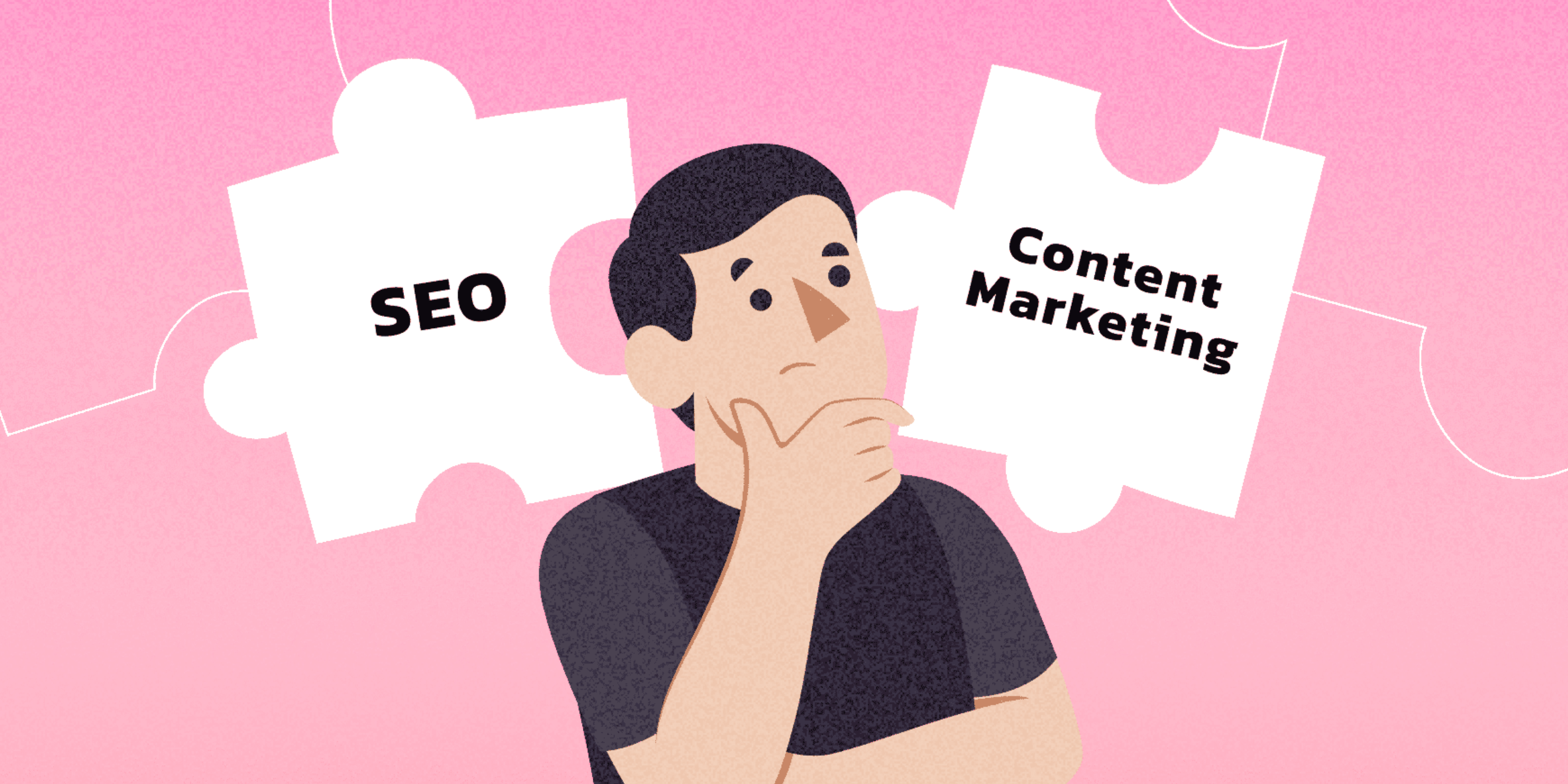
​Introduction In the ever-evolving digital landscape, two terms often dominate marketing discussions: SEO vs. Content Marketing While both aim to boost your online presence, they serve distinct purposes and require different approaches. Understanding the difference—and how they complement each other—is crucial for any business or marketer looking to thrive in 2025. What is SEO? SEO is the process of optimizing your website and its content to rank higher in search engine results pages (SERPs). The goal is to attract organic (non-paid) traffic by making your site more visible and relevant to search engines like Google. Key aspects of SEO: In 2025, SEO is increasingly focused on adapting to AI Overviews, optimizing for user intent, and prioritizing content quality over sheer volume conductor.com+2. What is Content Marketing? Content Marketing is about creating and distributing valuable, relevant, and consistent content to attract and engage a clearly defined audience. The primary goal is to build trust, establish authority, and drive profitable customer action. Key aspects of Content Marketing: SEO vs. Content Marketing: Key Differences Aspect SEO vs. Content Marketing Primary Goal Increase search rankings and traffic Build trust, engage, and convert Focus Keywords, algorithms, technical details Audience needs, storytelling, value Content Type Optimized for search engines Designed for human consumption Measurement Rankings, clicks, bounce rate Engagement, shares, conversions Longevity Short-term (algorithm updates) Long-term (brand loyalty) SEO is about being found; content marketing is about being remembered. How SEO and Content Marketing Work Together While distinct, SEO and content marketing are most powerful when integrated in SEO vs. Content Marketing SEO vs. Content Marketing in 2025 Trends: Which Should You Prioritize? After Understanding SEO vs. Content Marketing The answer is both. A successful digital strategy requires a balance: Actionable Tips for 2025: Conclusion SEO vs. content marketing are two sides of the same coin. While SEO helps you get found, content marketing helps you build relationships and drive conversions. By understanding their differences and leveraging their strengths together, you can create a robust digital marketing strategy that delivers results in 2025 and beyond. Ready to optimize your approach? Start by auditing your current content for both SEO best practices and audience value—your rankings and engagement will thank you. Contact Us

How to Understand SEO vs. Content Marketing Read More »
On-page SEO vs Off-page SEO

How to Combine On-Page and Off-Page SEO Effectively

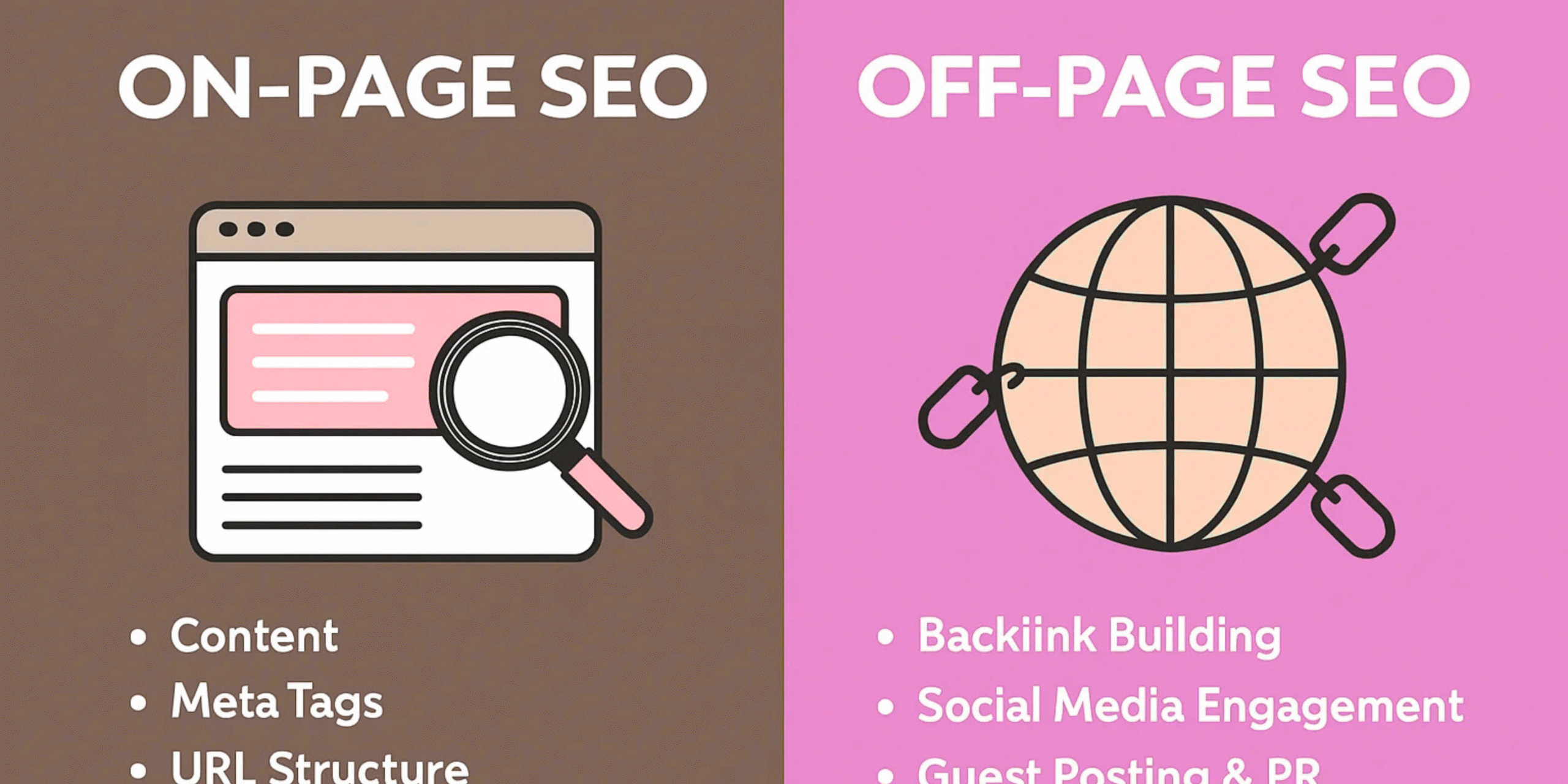
Introduction Search Engine Optimization (SEO) is the backbone of digital marketing. To achieve top rankings and drive organic traffic, you need a balanced approach that integrates both on-page and off-page SEO. While on-page SEO focuses on optimizing elements within your website, off-page SEO builds your site’s authority and reputation across the web. In this guide, you’ll learn how to effectively maximize your SEO results using on-page and off-page SEO. What is On-Page SEO ? On-page SEO refers to all the optimizations you make directly on your website. These include: Tip: Always prioritize user experience and readability while optimizing for search engines. What is Off-Page SEO? Off-page SEO involves actions taken outside your website to improve its search engine rankings. Key elements include: Tip: Focus on earning natural backlinks through valuable content and genuine relationships. How to Combine On-Page and Off-Page SEO Effectively 1. Start with a Solid On-Page Foundation Before you build off-page signals, ensure your website is fully optimized: 2. Build High-Quality Backlinks Once your on-page SEO is strong, focus on earning backlinks: 3. Leverage Social Media and Brand Mentions 4. Analyze and Adapt Common Mistakes to Avoid Conclusion Combining on-page and off-page SEO is essential for a comprehensive SEO strategy. By optimizing your website’s content and structure, and building a strong online presence through backlinks and social engagement, you can significantly improve your search rankings and drive more organic traffic Start implementing these strategies today and watch your website climb the search results! Contact US

How to Combine On-Page and Off-Page SEO Effectively Read More »

Local SEO for small business

How to Boost Local SEO for Small Businesses

How to Boost Local SEO for Small Businesses Introduction In today’s digital age, Local SEO for Small Businesses is not just an option—it’s a necessity. With more consumers turning to online searches to find local products and services, appearing at the top of local search results can make or break your business. Whether you run a cosy café, a boutique, or a service-based company, mastering local SEO helps you connect with customers right when they’re ready to buy. This guide will walk you through proven strategies to boost your local SEO for small business it drive more foot traffic, and increase sales in 2025. 1. Optimize Your Google Business Profile (GBP) Your Google Business Profile is the cornerstone of Local SEO for Small Businesses. It’s often the first thing potential customers see when they search for services like yours. 2. Ensure NAP Consistency NAP stands for Name, Address, and Phone number. Consistency across all online platforms is crucial for local SEO. 3. Build High-Quality Local Backlinks Backlinks from trusted local sources signal to search engines that your business is credible and relevant it helps to boost Local SEO for Small Businesses 4. Collect and Respond to Customer Reviews Reviews are a powerful ranking factor and influence consumer decisions it helps to boost Local SEO for Small Businesses 5. Create Localized Content Content tailored to your local audience helps you rank for relevant searches. 6. Optimize for Mobile and Voice Search More people use mobile devices and voice assistants to find local businesses. 7. Monitor and Adapt Local SEO is an ongoing process. Regularly track your performance and adjust your strategy. Conclusion Boosting Local SEO for Small Businesses is about visibility, credibility, and connection. By optimizing your Google Business Profile, building local backlinks, and engaging with your community, you’ll not only rank higher in local searches but also build lasting relationships with your customers. Start implementing these strategies today and watch your local presence—and your business—grow! Local SEO for Small Businesses Contact Us

How to Boost Local SEO for Small Businesses Read More »

How to Choose Between SEO and SEM for Your Business

Introduction In today’s digital landscape, visibility is everything. Whether you’re a start up or an established enterprise, deciding between SEO and SEM for your business can shape your online success. Both strategies drive traffic, but they work differently—and choosing the right one depends on your goals, budget, and timeline. This guide breaks down the differences, benefits, and drawbacks of SEO (Search Engine Optimization) and SEM (Search Engine Marketing), helping you make an informed decision. What Are SEO and SEM? SEO: Search Engine Optimization SEO is the process of optimizing your website to rank higher in organic (non-paid) search results. It involves: Goal: Long-term, sustainable traffic and authority. SEM: Search Engine Marketing SEM refers to paid advertising to appear in search results. It includes: Goal: Immediate visibility and targeted traffic. Key Differences: SEO vs. SEM Feature SEO SEM Cost Free (but requires time and expertise) Paid (budget-dependent) Time to Results Months to years Instant (as soon as ads are live) Traffic Type Organic, long-term Paid, short-term Click-Through Rate Higher trust, lower CTR than ads Lower trust, higher CTR with good ads Maintenance Ongoing content and technical updates Continuous ad spend and optimization Pros and Cons: SEO vs. SEM SEO Pros: SEO Cons: SEM Pros: SEM Cons: How to Choose Between SEO and SEM for Your Business 1. Define Your Goals 2. Consider Your Budget 3. Assess Your Timeline 4. Analyze Your Industry 5. Test and Iterate Best of Both Worlds: Integrating SEO and SEM Many businesses find success by combining both strategies: Conclusion Choosing between SEO and SEM for your business isn’t about picking one over the other—it’s about aligning your strategy with your goals, budget, and timeline. For sustainable growth, invest in SEO. For quick wins, SEM is your best bet. Often, a balanced approach yields the best results. Ready to boost your online presence? Start by auditing your current strategy and testing both SEO and SEM to see what works best for your unique business needs. Contact  

How to Choose Between SEO and SEM for Your Business Read More »